Advanced biofuels breaking records
The U.S. biodiesel industry has reached a new production record for the first half of the year, according to figures from the Environmental Protection Agency (EPA). Driven by strong federal policy aimed at diversifying the transportation fuels market, the biodiesel industry is on pace for its best year ever, according to the EPA.
 |
|
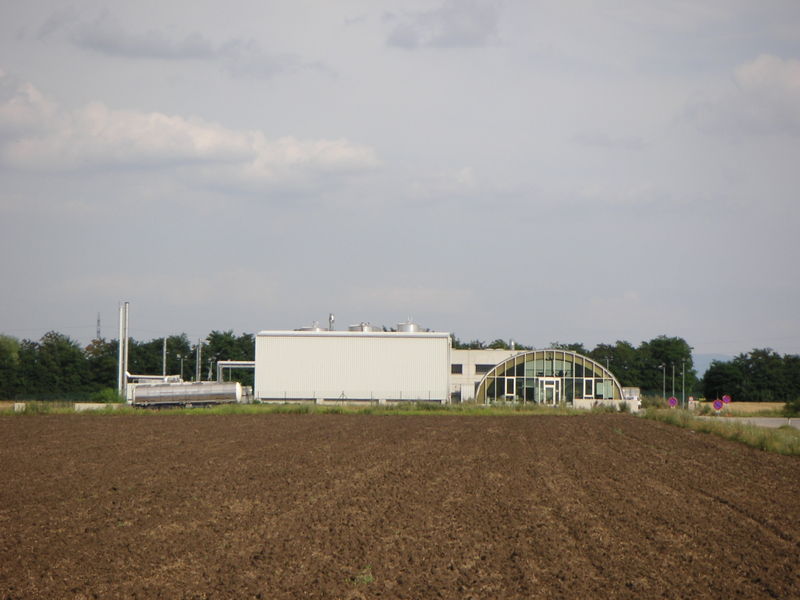
Biodiesel refinery. Credit: Priwo/Wikimedia Commons |
Through the end of June, biodiesel refiners across the country have produced more than 636 million gallons, putting the industry on par to break the previous annual biodiesel production record of just under 1.1 billion gallons and significantly exceed this year's volume requirement under the Renewable Fuel Standard (RFS).
"This is further proof that policies like the RFS are delivering," said Anne Steckel, vice president of federal affairs at the National Biodiesel Board. "…we need alternatives if we're going to escape this cycle of price spikes in the oil markets."
Biodiesel is a renewable, clean-burning diesel replacement that can be used in existing diesel engines, the only EPA-designated advanced biofuel with commercial-scale production nationwide, and the first to reach 1 billion gallons of annual production. In 2011, production reached nearly 1.1 billion gallons. It remained flat at that level in 2012 after Congress allowed the $1-per-gallon biodiesel tax incentive to expire.
But this year, after Congress restored the tax incentive and the EPA finalized a volume increase under the RFS, the industry is poised to break records.
It is the first and only commercial-scale fuel produced across the U.S. to meet the EPA's definition as an advanced biofuel under the RFS - meaning the EPA has determined that it reduces greenhouse gas emissions by more than 50 percent when compared with petroleum diesel. It is produced in nearly every state in the country and last year supported some 50,000 jobs nationwide.
Biodiesel volumes are reported under the biomass-based diesel category under the RFS, which also includes renewable diesel, a similar diesel alternative. Together, biodiesel and renewable diesel producers have reported a total of more than 700 million gallons under the Biomass-based Diesel category, significantly ahead of the annual volume requirement of 1.28 billion gallons.
For more:
- visit this
website
Related Article:
Conventional biofuel production to grow steadily; advanced
biofuel slows
The U.S. biodiesel industry has reached a new production record for the first half of the year, according to figures from the Environmental Protection Agency (EPA). Driven by strong federal policy aimed at diversifying the transportation fuels market, the biodiesel industry is on pace for its best year ever, according to the EPA.
|
|
|
Biodiesel refinery. Credit: Priwo/Wikimedia Commons |
Through the end of June, biodiesel refiners across the country have produced more than 636 million gallons, putting the industry on par to break the previous annual biodiesel production record of just under 1.1 billion gallons and significantly exceed this year's volume requirement under the Renewable Fuel Standard (RFS).
"This is further proof that policies like the RFS are delivering," said Anne Steckel, vice president of federal affairs at the National Biodiesel Board. "…we need alternatives if we're going to escape this cycle of price spikes in the oil markets."
Biodiesel is a renewable, clean-burning diesel replacement that can be used in existing diesel engines, the only EPA-designated advanced biofuel with commercial-scale production nationwide, and the first to reach 1 billion gallons of annual production. In 2011, production reached nearly 1.1 billion gallons. It remained flat at that level in 2012 after Congress allowed the $1-per-gallon biodiesel tax incentive to expire.
But this year, after Congress restored the tax incentive and the EPA finalized a volume increase under the RFS, the industry is poised to break records.
It is the first and only commercial-scale fuel produced across the U.S. to meet the EPA's definition as an advanced biofuel under the RFS - meaning the EPA has determined that it reduces greenhouse gas emissions by more than 50 percent when compared with petroleum diesel. It is produced in nearly every state in the country and last year supported some 50,000 jobs nationwide.
Biodiesel volumes are reported under the biomass-based diesel category under the RFS, which also includes renewable diesel, a similar diesel alternative. Together, biodiesel and renewable diesel producers have reported a total of more than 700 million gallons under the Biomass-based Diesel category, significantly ahead of the annual volume requirement of 1.28 billion gallons.
For more:
- visit this
website
Related Article:
Conventional biofuel production to grow steadily; advanced
biofuel slows
The U.S. biodiesel industry has reached a new production record for the first half of the year, according to figures from the Environmental Protection Agency (EPA). Driven by strong federal policy aimed at diversifying the transportation fuels market, the biodiesel industry is on pace for its best year ever, according to the EPA.
|
|
|
Biodiesel refinery. Credit: Priwo/Wikimedia Commons |
Through the end of June, biodiesel refiners across the country have produced more than 636 million gallons, putting the industry on par to break the previous annual biodiesel production record of just under 1.1 billion gallons and significantly exceed this year's volume requirement under the Renewable Fuel Standard (RFS).
"This is further proof that policies like the RFS are delivering," said Anne Steckel, vice president of federal affairs at the National Biodiesel Board. "…we need alternatives if we're going to escape this cycle of price spikes in the oil markets."
Biodiesel is a renewable, clean-burning diesel replacement that can be used in existing diesel engines, the only EPA-designated advanced biofuel with commercial-scale production nationwide, and the first to reach 1 billion gallons of annual production. In 2011, production reached nearly 1.1 billion gallons. It remained flat at that level in 2012 after Congress allowed the $1-per-gallon biodiesel tax incentive to expire.
But this year, after Congress restored the tax incentive and the EPA finalized a volume increase under the RFS, the industry is poised to break records.
It is the first and only commercial-scale fuel produced across the U.S. to meet the EPA's definition as an advanced biofuel under the RFS - meaning the EPA has determined that it reduces greenhouse gas emissions by more than 50 percent when compared with petroleum diesel. It is produced in nearly every state in the country and last year supported some 50,000 jobs nationwide.
Biodiesel volumes are reported under the biomass-based diesel category under the RFS, which also includes renewable diesel, a similar diesel alternative. Together, biodiesel and renewable diesel producers have reported a total of more than 700 million gallons under the Biomass-based Diesel category, significantly ahead of the annual volume requirement of 1.28 billion gallons.
For more:
- visit this
website
Related Article:
Conventional biofuel production to grow steadily; advanced
biofuel slows
Sign up for our FREE newsletter for more news like this sent to your inbox!
© 2013 FierceMarkets. All rights reserved. http://www.fierceenergy.com