A report from the U.S. Department of Energy (DOE) says climate change and the rising temperatures associated with it can affect water levels and temperatures at power plants and affect demand on the power grid, according to Electric Light & Power/POWERGRID International.
The report, released as part of President Barack Obama's Climate Action Plan, states that no area in the U.S. will be unaffected by rising temperatures, though its affect will vary across the country. For example, higher temperatures and drought conditions can affect cooling water temperatures needed at natural gas- and coal-fired power plants. Around 60 percent of the nation's thermal power plants that require water for cooling are located in water-stressed areas that have been hit by droughts.
Other examples include:
- Less water for hydropower: Lighter snowpack in the Sierra Nevada Mountains in 2012 caused an 8 percent drop in California's hydropower capacity. At Hoover Dam, low water levels at Lake Mead fell caused a 23 percent drop in that dam's power generation.
- Less nuclear capacity: At Connecticut's Millstone Nuclear Power Station, a reactor had to be taken offline because the temperature of the water in Long Island Sound was too warm to be used to cool the plant.
- More demand on the grid: In hotter weather, customers use more electricity to cool their housing and businesses. A study by the DOE Argonne National Laboratory found that peak demand during hot weather could require the power output of 100 additional power plants.
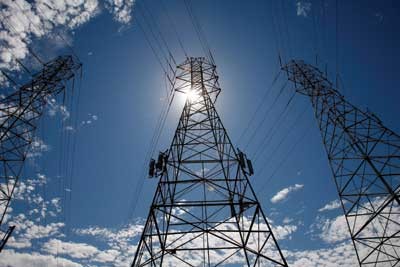
- Weather can affect power delivery: Power lines, transformers and electricity distribution systems face increasing risks of physical damage from the hurricanes, storms and wildfires that are growing more frequent and intense, according to the DOE.
To read the report, click here.
For an interactive map showing how the different regions are affected, click here.
Read more O&M news
Copyright © 2013: PennWell Corporation Subscribe to http://www.power-eng.com