Proteolytic Enzymes
by Jon Barron
Many health practitioners today are advising patients to take proteolytic enzymes to help with everything from inflammation and autoimmune conditions to heart disease and plaque.
Some doctors have even suggested its use for the treatment of cancer. So, what are these powerful enzymes and why should you know about them?In order to understand proteolytic enzymes, it's important to have a basic understanding of enzymes in the body. Enzymes are proteins that facilitate chemical reactions in living organisms. In fact, they are required for every single chemical action that takes place in your body. All of your tissues, muscles, bones, organs and cells are run by enzymes.
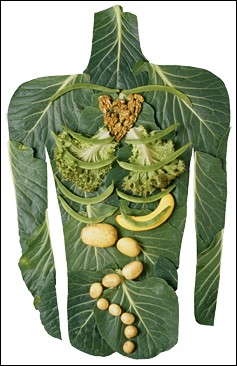 Your
digestive system, immune system, bloodstream, liver, kidneys, spleen and
pancreas, as well as your ability to see, think, feel and breathe, all
depend on enzymes. All of the minerals and vitamins you eat, and all of
the hormones your body produces need enzymes in order to work properly.
In fact, enzymes govern every single metabolic function in your body:
your stamina, energy level, ability to utilize vitamins and minerals,
immune system and more. The vast majority of metabolic enzymes in the
body – the enzymes that regulate everything from liver function to the
immune system – are proteases, or proteolytic enzymes, which regulate
protein function in the body. When we eat foods that are enzyme dead
(cooked or processed), we force the body to divert its production of
enzymes away from proteolytic enzymes, which govern metabolic functions,
into digestive proteolytic enzymes designed to break down dead proteins
in our diets. The consequences of this'diversion are enormous.
Conversely, the benefits of supplementing with proteolytic enzymes are
profound. And by supplementing, I mean:
Your
digestive system, immune system, bloodstream, liver, kidneys, spleen and
pancreas, as well as your ability to see, think, feel and breathe, all
depend on enzymes. All of the minerals and vitamins you eat, and all of
the hormones your body produces need enzymes in order to work properly.
In fact, enzymes govern every single metabolic function in your body:
your stamina, energy level, ability to utilize vitamins and minerals,
immune system and more. The vast majority of metabolic enzymes in the
body – the enzymes that regulate everything from liver function to the
immune system – are proteases, or proteolytic enzymes, which regulate
protein function in the body. When we eat foods that are enzyme dead
(cooked or processed), we force the body to divert its production of
enzymes away from proteolytic enzymes, which govern metabolic functions,
into digestive proteolytic enzymes designed to break down dead proteins
in our diets. The consequences of this'diversion are enormous.
Conversely, the benefits of supplementing with proteolytic enzymes are
profound. And by supplementing, I mean:
Supplementing with "digestive" proteolytic enzymes at meals to ease the burden on the body, so it no longer has to divert its resources.
Supplementing with "special" proteolytic enzymes between meals, so the enzymes can enter the bloodstream and augment the proteolytic functions of our metabolic enzymes.
It's possible to use good-quality digestive enzymes for both functions and receive a significant amount of benefit. But it's far more beneficial to use formulas that are optimized for each particular function. With that in mind, let's now look at some of the profound benefits of supplementing with a dedicated proteolytic formula. These include:
- Reducing inflammation: Inflammation is a natural response of the body to injury. However, excessive inflammation retards the healing process. Proteolytic enzymes reduce inflammation by neutralizing the biochemicals of inflammation (i.e., bradykinins and pro-inflammatory eicosanoids) to levels at which the synthesis, repair and regeneration of injured tissues can take place.1 Reducing inflammation can have immediate impact on improved heart health, cancer prevention and recovery, and Alzheimer's prevention. It also helps speed up recovery from sprains, strains, fractures, bruises, contusions, surgery and arthritis. In one study, football players who suffered from ankle injuries found that proteolytic enzyme supplements accelerated healing and got the players back on the field 50 percent faster than athletes who received placebo tablets.2 Other trials have shown that supplemental proteolytic enzymes can help reduce inflammation, speed healing of bruises and other tissue injuries (including fractures), and reduce overall recovery time when compared to athletes taking a placebo.3,4 And even in patients recovering from facial and various reconstructive surgeries, treatment with proteolytic enzymes significantly reduced swelling, bruising and stiffness compared to placebo groups.5,6,7
- Cleansing the blood of debris: Proteolytic enzymes are the primary tools the body uses to "digest" organic debris in the circulatory and lymph systems. Supplementing merely improves the effectiveness of the process.
- Dissolving fibrin in the blood, reducing the risk of clots: Certain specialized proteases such as nattokinase are extremely effective at improving the "quality" of blood cells, optimizing the ability of blood to flow through the circulatory system, and reducing the risk of clots.8 This is extremely important in reducing the risk of stroke. It also makes using proteolytic enzymes during long plane flights a no-brainer, as they minimize the potential of blood clots in the legs.
- Maximized immune system: The primary vehicle the immune system uses for destroying invaders is enzymes. Macrophages, for example, literally digest invaders with proteolytic enzymes. Supplementation significantly improves the ability of your immune system to do its job.
- Killing of bacteria, viruses, molds and fungi: Bacteria, viruses, molds and fungi are protein/ amino acid-based. Proteolytic enzymes taken between meals literally go into the bloodstream and digest these invaders.
- Elimination of autoimmune diseases: In Lessons from the Miracle Doctors, I cover in detail the process whereby large undigested proteins make their way into the bloodstream and form circulating immune complexes (CICs), which trigger allergies and autoimmune diseases. Supplemental proteolytic enzymes clean CICs out of the body, thereby reducing allergies and autoimmune conditions. In addition, this helps with sinusitis and asthma.
- Dissolving of scar tissue: Scar tissue is made of protein. Proteolytic enzymes can effectively "digest" scar tissue – particularly in the circulatory system.
- And finally, a properly designed supplemental proteolytic enzyme formula can help reduce the symptoms of MS, clean out the lungs9 and aid in detoxing.
The vast majority of metabolic enzymes in the body – the enzymes that regulate everything from liver function to the immune system – are proteases, or proteolytic enzymes, which regulate protein function in the body.
Clearly, research shows that proteolytic enzymes have incredible health benefits, which also explains their growing appearance on the shelves of health food stores. This brings us to the ultimate question: What constitutes a properly designed supplemental proteolytic enzyme formula?
First, the formula should have high amounts of protease: at least 200,000 HUT. This is far more than you will ever find in a digestive formula and 300,000 HUT is even better. It's also important to note that fungal (vegetarian-based) protease is merely rendered inactive by stomach acid, not destroyed. As soon as it passes into the alkaline environment of the intestinal tract, it reactivates, and, if not needed for digesting food, makes its way into the bloodstream. In other words, for use in a proteolytic enzyme formula, it does not need to be protected from stomach acid.
Second, even though fungal protease does indeed reactivate in the intestinal tract, the formula will be much more effective if it includes a variety of proteases that work optimally in a variety of pH ranges. Some of these proteases would include proper amounts of papain, bromelain and fungal pancreatin.
Third, find a formula that utilizes a special proteolytic enzyme called nattokinase, which has been discovered to balance optimally the clotting ability of blood.10 Its ability to control clotting rivals that of pharmaceutical drugs such as warfarin, but without any of the side effects or downsides, making it valuable to everyone – not just heart disease patients. Obviously, if you already are using blood thinners, you will need to work with your doctor if you decide to incorporate proteolytic enzymes in your health program.
Many doctors have asked me about formulas that contain the "hot" proteolytic enzyme in alternative health right now called serrapeptase. It has remarkable anti-inflammatory and anti-edemic (i.e., counters swelling and fluid retention) activity in a number of tissues. In addition to reducing inflammation, serrapeptase has a profound ability to reduce pain due to its ability to block the release of pain-inducing amines from inflamed tissues. Finally, it helps clear mucous from the lungs by reducing neutrophil numbers and altering the viscoelasticity of sputum in patients with chronic airway diseases. These are all major benefits; however, serrapeptase has several problems: It has inconsistent quality, causes intestinal distress, and is sensitive to stomach acid, which means it has to be coated with enteric. Unfortunately, the technology for enteric-coating of capsules or powders is not reliable (which is why you normally find enteric coating used only on hard tablets or on hard beads inside capsules, such as in cold capsules).
There is an alternative to serrapeptase. Seasprose, a specialized proteolytic enzyme derived from Aspergillus, manufactured in Japan, is of consistent high quality, causes virtually no intestinal distress,11 and is not affected by stomach acid, so it does not require enteric coating. Studies have shown it is more effective than serrapeptase – 85 percent vs. 65 percent.11
There is one last thing to note when selecting a good proteolytic enzyme. Be suspicious of any enzyme formula that lists the mgs of enzymes present as opposed to the activity level of each enzyme in the formula. Activity level determines overall effect. Two batches of the same enzyme of equal weight can have wildly different activity levels. The bottom line is that when it comes to enzymes, weight measurements are just not useful and can be downright misleading, as there is no direct relationship between weight and units of activity. In fact, an enzyme can still have a weight even if it has been destroyed and has zero activity. When comparing enzymes, if you want apples-to-apples comparisons between supplements, then you need to compare activity levels.
The internationally recognized and accepted standard for measurement is by Food Chemical Codex (FCC) units. This usually is expressed in different activity units for each type of enzyme. For instance, protease is measured in HUTs (hemoglobin units, tyrosine basis), amylase in SKBs (named after the creators of the test, Sandstedt, Kneen, and Blish) or DUs (used in the brewing industry), and lipase in LUs.
In summary, make sure the proteolytic enzyme formula you use for yourself or recommend to patients is adequate to the task at hand. At the minimum, a daily dose should contain:
- a minimum of 200,000 HUT of fungal protease, designed to function in a wide pH range;
- 250 FU nattokinase;
- 10,000 U of the Aspergillus-derived enzyme (if opting for serrapeptase, look for a minimum of 30,000 IU, enteric coated);
- formula enhancements including ingredients such as papain, bromelain, rutin and ginger.
Regular use of such a formula can be an invaluable addition to any of your patient's daily health programs. By helping to reduce pain and inflammation levels, proteolytic enzymes will not only make adjustments easier to perform, but also will increase your patient's general satisfaction levels, thereby improving patient retention. In addition to regular use, however, there is the option of using proteolytic at therapeutic levels for 14 to 30 days or longer, if necessary, for periodic enzyme detox and rebuilding programs. Such programs can go a long way to improving circulation, removing scar tissue, cleaning out the lungs and correcting autoimmune problems. These kinds of results literally can be life-changing; possibly even life-saving.
References
- Miller. Proteolytic enzymes in inflammation: rationale for use. Postgrad Med. 1956 Jan;19(1):16-22.
- Buck JE, Phillips N. Trial of Chymoral in professional footballers. Br J Clin Pract. 1970 Sep;24(9):375-7.
- Craig RP. The quantitative evaluation of the use of oral proteolytic enzymes in the treatment of sprained ankles. Injury. 1975 May;6(4):313-6.
- Fisher JD, Weeks RL, Curry WM, Hrinda ME, Rosen LL. Effects of an oral enzyme preparation, Chymoral, upon serum proteins associated with injury (acute phase reactants) in man. J Med. 1974;5(5):258-73.
- Duskova M, Wald M. Orally administered proteases in aesthetic surgery. Aesthetic Plat Surg. 1999 Jan-Feb;23(1):41-4.
- Hoemecke R, Doenicke A. Perioperative enzyme therapy. A significant supplement to postoperative pain therapy? Anaesthesist. 1993 Dec;42(12):856-61.
- Lie KK, Larsen RD, Posch JL. Therapeutic value of oral proteolytic enzymes following hand surgery. Arch Surg. 1969 Jan;98(1):103-4.
- Sumi H et al. Enhancement of the fibrinolytic activity in plasma by oral administration of Nattokinase. Acta Haematol 1990;84:139-143.
- Braga PC, Moretti M et al. Effects of seaprose on the rheology of bronchial mucus in patients with chronic bronchitis. Int J Clin Pharmacol Res 1993;13(3):179-185.
- Sumi H et al.
- Bracale G, Selvetella L. Clinical study of the efficacy of and tolerance to seaprose S in inflammatory venous disease. Minerva Cardioangiol 1996;44(10):515-524.
| At age 16, Jon Barron worked under his father, one of the world's first food technologists, at a large grocery chain. They developed a new line of food products that sparked Jon's interest in food formulation and natural remedies. He forged ahead not only with a nutraceutical company and a nonprofit foundation, but also with product formulation consulting. Today, Jon is working with leading companies such as Nestlé's spin-off, Sweet Success Enterprises, to make healthy food and beverage products more consumer-friendly and accessible. |
All Rights Reserved, Nutritional Wellness, 2012.
http://www.nutritionalwellness.com/archives/2006/jul/07_proteolytic.php