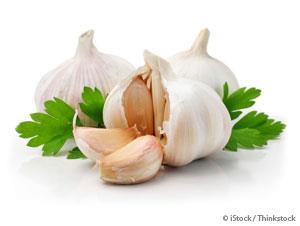
Beat Back Cold and Flus with... Garlic!
Story at-a-glance
- Garlic has long been hailed for its healing powers, especially against infectious diseases like cold and flu. It has immune boosting effects, and fresh garlic is also a potent antibacterial, antiviral and anti-fungal agent
- Studies have demonstrated more than 150 beneficial health effects of garlic, including reducing your risk for heart disease, high cholesterol and high blood pressure, and various cancers such as brain, lung and prostate cancer
- Research has shown that those taking garlic daily for three months had fewer colds than those who took a placebo, and, when they did come down with a cold, the duration of illness was shorter
- Garlic must be used fresh to give you optimal health benefits. To stimulate the process that catalyzes the formation of allicin, compress a fresh clove with a spoon prior to swallowing it, or put it through your juicer with other veggies
By Dr. Mercola
If you want a simple way to increase the disease-fighting power of your meals, be generous with your use of high-quality herbs and spices. This applies year-round, but as cold and flu season nears, you may want to consider spicing things up more than you might normally.
There is no shortage of research showing that herbs and spices are among the healthiest you can consume. And they’re a “secret weapon” that just about everyone can take advantage of, regardless of your budget.
Garlic in particular has long been hailed for its healing powers, especially against infectious diseases like cold and flu.
This is likely due to its immune boosting effects. Fresh garlic is also a potent antibacterial, antiviral and anti-fungal agent. But its therapeutic effects may go much further than that.
Garlic—An All-Around Health Boosting Herb
The featured article in Medical News Today1 contains an impressive list of garlic’s historical use as a natural medicine, and modern research to back up the wisdom of such antiquated claims. Green Med Info has also assembled a list of studies demonstrating more than 150 beneficial health effects of garlic! For example, studies show that regular consumption of (primarily raw) garlic:
- May be effective against drug-resistant bacteria
- Reduces risk for heart disease,2 including heart attack3 and stroke
- Helps normalize your cholesterol4 and blood pressure
- Protects against cancer,5, 6 including brain,7 lung,8 and prostate9 cancer
- Reduces risk of osteoarthritis10
It’s thought that much of garlic’s therapeutic effect comes from its sulfur-containing compounds, such as allicin, which are also what give it its characteristic smell. Other health-promoting compounds include oligosaccharides, arginine-rich proteins, selenium and flavonoids.11
Research12 has revealed that as allicin digests in your body, it produces sulfenic acid, a compound that reacts with dangerous free radicals faster than any other known compound.
This is one of the reasons why I named garlic as one of the top seven anti-aging foods you can consume. Garlic is also a triple threat against infections, offering antibacterial, antiviral and antifungal properties.
Not only is it effective at killing antibiotic-resistant bacteria, including MRSA, but it also fights yeast infections, viruses and parasites. Garlic must be fresh to give you optimal health benefits though.
The fresh clove must be crushed or chopped in order to stimulate the release of an enzyme called alliinase, which in turn catalyzes the formation of allicin.13 Allicin in turn rapidly breaks down to form a number of different organosulfur compounds. So to “activate” garlic’s medicinal properties, compress a fresh clove with a spoon prior to swallowing it, or put it through your juicer to add to your vegetable juice.
A single medium size clove or two is usually sufficient, and is well-tolerated by most people. The active ingredient, allicin, is destroyed within one hour of smashing the garlic, so garlic pills are virtually worthless.
You also won’t reap all the health benefits garlic has to offer if you use jarred, powdered or dried versions. Worse yet, at least two supermarket-brands containing garlic powder imported from China have been found to be contaminated with high levels of lead, arsenic and added sulfites, according to a recent article by PreventDisease.com.14
If you develop a socially offensive odor, just decrease the amount of garlic you’re consuming until there is no odor present. If garlic makes you feel ill, this is probably your body's way of letting you know you should avoid it.
Garlic versus Tamiflu
Garlic may be particularly useful in preparation for cold and flu season, as it contains compounds capable of killing a wide variety of organisms, including viruses and bacteria that can cause earaches, colds and influenza. The respected research organization Cochrane Database—which has repeatedly reported that the science does not support the use of flu vaccine as a first-line defense—has also reviewed studies on the alternatives, such as the use of garlic.15
They found that those who took garlic daily for three months had fewer colds than those who took a placebo, and, when they did come down with a cold, the duration of illness was shorter—an average of 4.5 days compared to 5.5 days for the placebo group.
While this may not seem overly impressive, it’s still better than the results achieved by the much-advertised flu drug Tamiflu. If taken within 48 hours of onset of illness, Tamiflu might reduce the duration of flu symptoms by about a day to a day and a half. That's the extent of what this $100-plus treatment will get you. It’s virtually identical to just taking garlic on a regular basis!
However, some patients with influenza are at increased risk for secondary bacterial infections when on Tamiflu—a risk you won’t take by eating garlic... Other adverse events of Tamiflu include pediatric deaths, serious skin reactions, and neuropsychiatric events, including suicide committed while delirious.
Cold and Flu—Symptoms of Vitamin D Deficiency
While colds and flus are caused by viral infections, compelling research suggests that your ability to "catch" these infections may actually be a symptom of an underlying vitamin D deficiency. Vitamin D is a potent antimicrobial agent, producing 200 to 300 different antimicrobial peptides in your body that kill bacteria, viruses and fungi. Suboptimal vitamin D levels will significantly impair your immune response, thereby making you far more susceptible to contracting colds, influenza, and other respiratory infections.
In the largest and most nationally representative study16 of its kind to date, involving about 19,000 Americans, people with the lowest vitamin D levels reported having significantly more recent colds or cases of the flu -- and the risk was even greater for those with chronic respiratory disorders like asthma. At least five additional studies also show an inverse association between lower respiratory tract infections and vitamin D levels.
The best source for vitamin D is direct sun exposure. While it may not be possible to get enough sun exposure during the winter, every effort should be made to attain vitamin D from UVB exposure as there are many additional benefits from this route other than vitamin D. The next best option to sunlight is the use of a safe indoor tanning device. As a last resort, if neither natural nor artificial sunlight is an option, you may taken an oral vitamin D3 supplement. However, if you do, you need to be aware of the following:
- Make sure you’re taking the correct vitamin D supplement. You want D3, not D2, as the latter may end up doing more harm than good.
- Based on the latest research from GrassrootsHealth, the average adult dose required to reach vitamin D levels of about 40 ng/ml is around 8,000 IU's of vitamin D3 per day. For children, many experts agree they need about 35 IU's of vitamin D per pound of body weight.
- Get your vitamin D serum level checked at regular intervals to make sure you’re taking the appropriate dose to get within the therapeutic range of 50-70 ng/ml.
- If you’re taking high dose vitamin D supplements you also need to take vitamin K2—not K1 that is typically in vegetables as it will not work synergize with vitamin D. Vitamin K2 deficiency is actually what produces the symptoms of vitamin D toxicity, which includes inappropriate calcification that can lead to hardening of your arteries. The reason for this is when you take vitamin D, your body creates more vitamin K2-dependent proteins that shuttle the calcium into the appropriate areas. Without vitamin K2, those proteins remain inactivated, so the benefits of those proteins remain unrealized.
Four Factors That Undermine Your Immune System
Again, it’s important to remember that both colds and various influenzas are caused by a wide variety of viruses, not bacteria. Hence, taking an antibiotic for your cold or flu will NOT do you any good whatsoever. Antibiotics only work on bacterial infections, such as sinus, ear and lung infections, including bronchitis and pneumonia. The latter two are potential secondary infections that can develop from a serious bout of cold or flu, so you do want to keep an eye out for signs and symptoms of such bacterial infections.
At the end of this article, you’ll find some guidelines to help you decide when it would be prudent to see a doctor.
Now, the most common way cold and flu viruses are spread is via hand-to-hand contact, so the easiest way to cut down your risk is to frequently wash your hands (see next section below). However, the key to remember is that being exposed to a cold virus does not mean that you're destined to get sick. Again, whether or not you’ll actually get sick is primarily dependent on the functioning of your immune system. If your immune system is operating at its peak, it should actually be quite easy for you to fend off the virus without ever getting sick.
As discussed above, vitamin D deficiency is a major factor that will depress your immune function, leaving the door open to invading viruses. Other lifestyle factors that can depress your immune system, alone or in combination, include:
- Eating too much sugar/fructose and grains. Sugar in all its forms takes a heavy toll on your immune system. One of the ways it does this is by unbalancing your gut flora. Sugar is "fertilizer" for pathogenic bacteria, yeast, and fungi that can set your immune system up for an assault by a respiratory virus. Remember, 80 percent of your immune system lies in your gastrointestinal tract, which is why limiting your sugar intake is CRUCIAL for optimizing your immune system.
It would be wise to limit your total fructose consumption to below 25 grams a day if you're in good health, or below 15 grams a day if you have high blood pressure, diabetes, heart disease, or are insulin resistant or are trying to recover from an acute illness like the flu.
- Lack of sleep. If you aren't getting enough restorative sleep, you'll be at increased risk for a hostile viral takeover. Your immune system is also the most effective when you're not sleep-deprived, so the more rested you are the quicker you'll recover. You can find 33 guidelines for a better night's sleep here.
- Insufficient exercise. Regular exercise is a crucial strategy for increasing your resistance to illness. There is evidence that regular, moderate exercise can reduce your risk for respiratory illness by boosting your immune system. In fact, one study17 found that people who exercised regularly (five or more days a week) cut their risk of having a cold by close to 50 percent. And, in the event they did catch a cold, their symptoms were much less severe than among those who did not exercise.
Exercise likely cuts your risk of colds so significantly because it triggers a rise in immune system cells that can attack any potential invaders. Each time you exercise you can benefit from this boost to your immune system. It can also help boost your immune system acutely, by increasing your body temperature. This helps kill off invading pathogens, similarly to the fever your body produces when sick.
- Using ineffective strategies to address stress. Emotional stressors can also predispose you to an infection while making cold symptoms worse. Finding ways to manage daily stress as well as your reactions to circumstances beyond your control will contribute to a strong and resilient immune system. Effective strategies include a variety of energy psychology tools, such as the Emotional Freedom Technique (EFT).
Other All-Natural Strategies That Send Pathogens Packin'
Frequently washing your hands with soap and water is one of the easiest ways to wipe out germs and viruses and reduce your chances of becoming sick. Don’t make the mistake of using antibacterial cleansers, as their widespread use contributes to strains of resistant bacteria, or "superbugs" that render antibiotics useless. Besides, research18 has shown that people who use antibacterial soaps and cleansers often develop a cough, runny nose, sore throat, fever, vomiting, diarrhea and other symptoms just as often as people who use plain soap and water. There’s no real justification for using an antibacterial soap when plain soap is safer, and just as effective.
Another strategy that many report success with is to administer a few drops of 3% hydrogen peroxide (H2O2) into your ear canal. Quite frequently, people claim to have been able to cure a cold or flu within 12 to 14 hours this way. Simply put a few drops into your ear; wait until the bubbling and stinging subside (usually 5 to 10 minutes), then drain onto a tissue and repeat with the other ear.
There are also a number of supplements and simple treatments that can be beneficial for colds and influenza, but I believe they should only be used as adjuncts to an otherwise healthy diet and lifestyle. For detailed instructions that will help set you the right path can be found in my optimized nutrition and lifestyle plan. Some of the more helpful options for cold and flu—besides vitamin D and garlic discussed above--include:
Zinc: Research on zinc has shown that when taken within one day of the first symptoms, zinc can cut down the time you have a cold by about 24 hours. Zinc was also found to greatly reduce the severity of symptoms. Suggested dosage: up to 50 mg/day. Zinc was not recommended for anyone with an underlying health condition, like lowered immune function, asthma or chronic illness. Vitamin C: A very potent antioxidant; use a natural form such as acerola, which contains associated micronutrients. You can take several grams every hour till you are better unless you start developing loose stools. Olive leaf extract: Ancient Egyptians and Mediterranean cultures used it for a variety of health-promoting uses and it is widely known as a natural, non-toxic immune system builder. Propolis: A bee resin and one of the most broad-spectrum antimicrobial compounds in the world; propolis is also the richest source of caffeic acid and apigenin, two very important compounds that aid in immune response. Oregano Oil: The higher the carvacrol concentration, the more effective it is. Carvacrol is the most active antimicrobial agent in oregano oil. Medicinal mushrooms, such as shiitake, reishi, and turkey tail. A tea made from a combination of elderflower, yarrow, boneset, linden, peppermint and ginger; drink it hot and often for combating a cold or flu. It causes you to sweat, which is helpful for eradicating a virus from your system. Echinacea is one of the most widely used herbal medications in Europe to combat colds and infections. One review of more than 700 studies found that using Echinacea can reduce your risk of catching cold by as much as 58 percent.
When Should You Call Your Physician?
Generally speaking, if you have a cold, medical care is not necessary. Rest and attention to the lifestyle factors noted above—particularly the admonition to avoid sugar—will help you to recover quickly and, if you stick to them, will significantly reduce your chances of catching another cold anytime soon.
Getting back to garlic for a moment, a previous article by PreventDisease.com19 gives instructions for a garlic soup that can help destroy most viruses and help you recover a little quicker. Ideally though, you’d want to incorporate immune-boosting diet- and lifestyle strategies as soon as possible to prevent illness in the first place.
So, when should you call your doctor?
Sinus, ear, and lung infections such as bronchitis and pneumonia CAN be bacterial however, and if so, may respond to antibiotics. If you develop any of the following symptoms, these are signs you may be suffering from a bacterial infection rather than a cold, and you should call your physician's office:
- Fever over 102 degrees Fahrenheit (38.9 degrees Celsius)
- Ear pain
- Pain around your eyes, especially with a green nasal discharge
- Shortness of breath or a persistent uncontrollable cough
- Persistently coughing up green and yellow sputum
© Copyright 1997-2013 Dr. Joseph Mercola. All Rights Reserved.
http://articles.mercola.com/sites/articles/archive/2013/09/23/garlic-health-benefits.aspx