Benefits of Beets
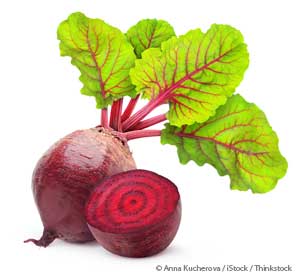
- Beet roots contain valuable nutrients that may help lower your blood pressure, fight cancer and inflammation, boost your stamina, and support detoxification
- Beet greens are equally, if not more, nutritious with nutrients that may strengthen your immune system, support brain and bone health, and more
- Beet roots have the highest sugar content of all vegetables, so they should be eaten in moderation
- Try adding beet roots raw to salads or as part of your vegetable juice; beet greens can be sautéed with spinach or Swiss chard
By Dr. Mercola
Beets are an ancient, prehistoric food that grew naturally along coastlines in North Africa, Asia, and Europe. Originally, it was the beet greens that were consumed; the sweet red beet root that most people think of as a "beet" today wasn't cultivated until the era of ancient Rome.1
By the 19th century, however, the natural sweetness of beets came to be appreciated and beets began to be used as a source of sugar (reportedly, Napoleon was responsible for declaring that beets be used as a primary source of sugar after the British restricted access to sugar cane).2
Today, sugar beets (unfortunately often genetically modified) are a common raw material used for the production of sugar, but many people are missing out on including them in whole form in their regular diet.
There's good reason to do so, in fact, as beets contain a variety of unique health-boosting nutrients that you may not be getting elsewhere. Plus, they're delicious!
Why Eat Beets? 6 Top Reasons
Beet roots have always been included in my most recommended vegetables list, although they are in the "use sparingly" category because of their high carbohydrate levels.
Although beets have the highest sugar content of all vegetables, most people can safely eat beet roots a few times a week (and their greens in unlimited quantities), enjoying not only their sweet, earthy flavor but also their powerhouse nutrients that may improve your health in the following ways.
1. Lower Your Blood Pressure
Drinking beet juice may help to lower blood pressure in a matter of hours. One study found that drinking one glass of beet juice lowered systolic blood pressure by an average of 4-5 points.3
The benefit likely comes from the naturally occurring nitrates in beets, which are converted into nitric oxide in your body. Nitric oxide, in turn, helps to relax and dilate your blood vessels, improving blood flow and lowering blood pressure.
2. Boost Your Stamina
If you need a boost to make it through your next workout, beet juice may again prove valuable. Those who drank beet juice prior to exercise were able to exercise for up to 16 percent longer.4 The benefit is thought to also be related to nitrates turning into nitric oxide, which may reduce the oxygen cost of low-intensity exercise as well as enhance tolerance to high-intensity exercise.
3. Fight Inflammation
Beets are a unique source of betaine, a nutrient that helps protects cells, proteins, and enzymes from environmental stress. It's also known to help fight inflammation, protect internal organs, improve vascular risk factors, enhance performance, and likely help prevent numerous chronic diseases.5 As reported by the World's Healthiest Foods:6
"[Betaine's]… presence in our diet has been associated with lower levels of several inflammatory markers, including C reactive protein, interleukin-6, and tumor necrosis factor alpha. As a group, the anti-inflammatory molecules found in beets may eventually be shown to provide cardiovascular benefits in large-scale human studies, as well as anti-inflammatory benefits for other body systems."
4. Anti-Cancer Properties
The powerful phytonutrients that give beets their deep crimson color may help to ward off cancer. Research has shown that beetroot extract reduced multi-organ tumor formations in various animal models when administered in drinking water, for instance, while beetroot extract is also being studied for use in treating human pancreatic, breast, and prostate cancers.7
5. Rich in Valuable Nutrients and Fiber
Beets are high in immune-boosting vitamin C, fiber, and essential minerals like potassium (essential for healthy nerve and muscle function) and manganese (which is good for your bones, liver, kidneys, and pancreas). Beets also contain the B vitamin folate, which helps reduce the risk of birth defects.
6. Detoxification Support
The betalin pigments in beets support your body's Phase 2 detoxification process, which is when broken down toxins are bound to other molecules so they can be excreted from your body. Traditionally, beets are valued for their support in detoxification and helping to purify your blood and your liver.
Eat Your Beet Greens Too
If you simply throw away the green leafy tops to your beets, you're doing yourself a disservice, as these are among the healthiest part of the plant.
Besides containing important nutrients like protein, phosphorus, zinc, fiber, vitamin B6, magnesium, potassium, copper, and manganese, beet greens also supply significant amounts of vitamin A, vitamin C, calcium, and iron.Beet greens actually have even more iron than spinach (another leafy green in the same botanical family) as well as a higher nutritional value overall than the beetroot itself. For more details, read "What Are Beet Greens Good For?" You may be surprised to learn, for instance, that research shows beet greens may:
- Help ward off osteoporosis by boosting bone strength
- Fight Alzheimer's disease
- Strengthen your immune system by stimulating the production of antibodies and white blood cells
If you've never tried beet greens before, don't let them intimidate you. They can be added raw to vegetable juice or sautéed lightly right along with other greens like spinach and Swiss chard.
Try This Healing Recipe for Russian Beet Soup (Borscht)
There are many ways to enjoy beets:
- Grate them raw over salads
- Add them to your fresh vegetable juice
- Lightly steam them
- Marinate them with lemon juice, herbs, and olive oil
For an even more intense flavor, try Borscht, or beet soup, which is a traditional Russian dish. This particular recipe below, from Dirt Doctor, also includes homemade broth, making it particularly nourishing and healing.
Borscht
Ingredients:
- 1 quart of organic, homemade broth (preferably beef or buffalo)
- 1 tablespoon butter
- 3 or 4 medium size beets – thinly sliced
- 1 onion – thinly sliced
- 1 cup of shredded red cabbage
- 1/8 cup minced parsley
- 1 tablespoon Sherry (optional)
- Lemon juice – 1 tablespoon
- Salt and pepper
- Sour Cream (optional)
Instructions:
- Over medium low heat, melt butter in a medium size soup pot.
- Add onions and beets and cook until soft – about 7 or 8 minutes.
- Add a dash of salt and pepper. Stir in broth.
- Simmer for about 20 minutes. Then add fresh cabbage, parsley, nutmeg, and sherry. Simmer for a couple minutes more, season with additional salt and pepper, serve, and enjoy.
- Add a dollop of crème fraiche or sour cream if you like.
Copyright 1997- 2014 Dr. Joseph Mercola. All Rights Reserved.
http://articles.mercola.com/sites/articles/archive/2014/01/25/beets-health-benefits.aspx