Coal alliance urges alternative to proposed emission standards
New proposed emission standards that would affect coal-fired power plants standards would result in severe economic consequences, and the technology required to meet these standards has not been proven to reduce carbon emissions, the Pennsylvania Coal Alliance told the Environmental Protection Agency in a recent filing.
 |
|
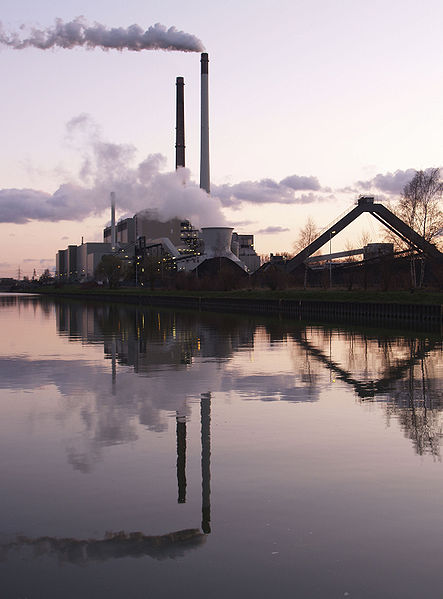
Credit: Arnold Paul/Wikimedia Commons |
The alliance says that the EPA's proposed regulations are unachievable with current technology and that the standards would require coal-fired power plants to adopt carbon capture and sequestration (CCS) technology, the effectiveness of which has not yet been substantially proven. Consequently, the alliance contends that the proposed standards do not comply with statutory requirements and exceed the EPA's authority under Section 111 of the Clean Air Act.
CCS technology is also significantly more expensive than technology currently in use, and would increase wholesale electricity prices by 70 to 80 percent, according to a Department of Energy deputy assistant secretary.
Further, the technology introduces several significant environmental and liability risks, according to the alliance, which outweigh the benefits of reduced carbon emissions that could be achievable with CCS.
In its filing, the Alliance urged the EPA to consider the negative effects of its proposed regulations and suggested an alternative to the proposed standards.
"Just like regulators worked with the automobile industry to develop stricter mileage standards in cars, the EPA should work with energy stakeholders to come to a more collaborative solution that protects jobs and the environment," Alliance CEO John Pippy said.
The filing makes sure to point out that the coal industry supports more than 100,000 jobs and more than 2.1 million jobs in related industries, contributing nearly $250 billion to the U.S. economy. The alliance also noted that coal is the leading source of domestic electricity generation nationally and in Pennsylvania, where it accounts for roughly 40 percent of the state's annual electricity output.
For more:
- see the
filing
© 2014 FierceMarkets, a division of Questex Media Group LLC. All rights reserved.