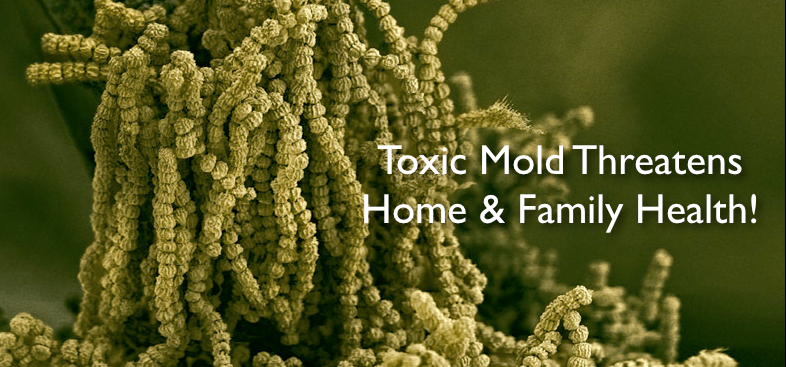
Researchers found that the warm,
damp environment in dishwashers is ideal for the growth of a species
of fungi that can be harmful to the lungs and hard to treat if
infected. They also discovered that the fungi are particularly
likely to grow in dishwashers as they thrive in salty conditions,
such as those created by dishwasher powder.
A previous
report published in Fungal Biology showcased
how a group of researchers from institutions in Slovenia, the
Netherlands and China took samples from the rubber seals inside 189
dishwashers from 18 countries and found that 62 percent of them
tested positive for fungi.
The dishwasher would seem a nice place
for fungi to dwell: it is moist and warm, and it has abundant
organic matter to feed on in the form of food scraps. But
dishwasher-dwelling fungi have to be of a hardy sort to handle the
occasional burst of extreme heat as well as the alkalinity and salt
content of dish detergents. In laboratory tests on the
dishwasher-dwelling Exophiala dermatitidis and Exophiala
phaeomuriformis, the researchers reported in Medical
Mycology that the fungi are
tolerant to a wide range of temperatures, pH levels and salt
concentrations, a degree of so-called polyextremotolerance that had
not been found before in fungi.
In that sense, the dishwasher fungi
are something like domestic extremophiles, the life-forms that
occupy seemingly inhospitable niches across the globe, from
scorching hydrothermal vents in the deep ocean to frigid high
deserts. Extremophiles
are a popular subject for study because
they demonstrate just how adaptable life is and offer hope that
other planets, even those a bit different than Earth, could be
inhabited.
If inhaled, these fungi can colonise
the lungs and cause infections that can be difficult to treat.
Breathing in spores from these fungi can cause persistent lung
infections, particularly in people with compromised health.
“We were surprised to find some fungi
that are extremely rare in nature but had really high numbers in
dishwashers,” says Nina Gunde-Cimerman, a professor of microbiology
at the University of Ljubljana in Slovenia.
Fungi can survive almost anywhere and
under extreme conditions, showing remarkable tolerance to cold, high
concentrations of salt, harsh detergents, and high temperatures.
The Exophiala fungi, for instance,
were mostly found in places with hard or medium-hard water–that is,
water high in dissolved minerals such as calcium and magnesium.
Beyond that, the researchers do not go into much detail about why
dishwashers in certain countries seem to be more hospitable than
others. For whatever reason, North America was especially
fungi-friendly, with all six U.S. dishwashers sampled testing
positive for fungi, along with six of seven Canadian dishwashers.
Many European countries faired much better: only one of 10 Italian
dishwashers was infested, whereas all five Spanish appliances got a
clean bill of health.
Bacterial Growth Occurs After Stacking
Partially Wet Dishes From Dishwashers
In one study, researchers identified
bacteria on dishes (prior to washing) that had been used to serve
meals to patients at a medical center. They then put half the plates
through a full cycle of a dishwasher, stacking the plates after
placing small amounts of water on each dish surface. The other 50
plates were machine-washed and then allowed to air dry for 24
hours.
Twenty-four hours after washing, the
investigators found no apparent difference in bacterial growth
between those stacked wet and those fully air-dried. However, after
48 hours a significantly higher amount of various bacteria were
evident on the wet-stacked dishes.
Although the researchers did not
determine exactly what types of bacteria had grown on the plates,
they conclude that there is a risk of bacterial growth and food
contamination if dishes are stacked wet after being run through an
improperly working dishwasher or insufficiently dried after being
hand washed.
Researchers warn that “the invasion of
black yeasts into our homes represent a potential health risk.”
Their presence on plates or forks, for example, may spread
infections even though none were reported in the sampled households.
Only further study can determine if these dishwasher fungi can be
dangerous to human health.
People who are taking antibiotics,
those with poor immune systems, people with diabetes, and those with
cystic fibrosis are particularly at risk of lung and skin infections
caused by the fungi.
There are, however, things that you
can do to reduce the amount of fungi in your dishwasher.
Natural Solution
Fungus is a minute organism that is
single-celled and can include yeasts, molds and mushrooms. It
thrives by soaking up organic matter and the result is its
decomposition. One effective avenue to combat the side effects of
fungus is by using certain types of vinegar that can kill the
bacterial and fungal growth.
Baking soda and vinegar will help to
kill mold, mildew, and fungi growing on the inside surfaces of your
dishwasher. This cleaning regimen should be done once per month to
prevent fungi from taking hold.
Start by removing all racks and
washing them by hand in hot soapy water. Use a soapy sponge to wipe
down the dishwasher’s interior surfaces and around the rubber door
seal. Let everything air dry thoroughly.
Combine a half cup of white vinegar
with 2 cups of hot water in a spray bottle. Spray all surfaces
thoroughly and scrub with an old toothbrush around the crevices and
seal. Use a scrub brush for large surfaces.
Put the racks back into the
dishwasher. Fill a small glass bowl with vinegar and place it on the
top rack. Run the washer on the hottest setting. Sprinkle 1 cup of
baking soda on the dishwasher floor and run the machine a second
time on high heat.
Alternative To A Dishwasher – Green
Cleaning
You can save a lot of money, destress
and experience a physical activity if you just take a bit of time to
wash your dishes after every meal. There are countless benefits:
1. Less Physical Clutter. How
often were dirty plates, bowls, and glassware left on your kitchen
counter following a meal just waiting to be loaded in the
dishwasher? Each time, physical clutter is left on your kitchen
counter, table, and sink.
2. Save Energy. Because
most dishwashers use the same amount of energy and water regardless
of how full they are, you’re always consuming energy if you wash 10
plates or 20.
3. Less Mental Clutter. An
unfinished project clutters the mind…always. Even when we were not
in the kitchen, the pending responsibility of needing to clean the
dishes was always hanging over our evening events. And you are
specifically reminded every time we walked into (or even past) your
kitchen.
4. Seamlessly Transition Between
Activities. Once the mind clutter
of dirty dishes has been removed, you are free to move from activity
to activity, event to event, and room to room. There is no need to
return to the past and finish the duties of your meal.
5. Dishes are Always Clean. Ever
need that one mixing bowl, pot, or cooking utensil, only to find out
that it’s still dirty sitting in the dishwasher? Washing dishes
after every meal means the dishes and cooking utensils are always
clean and in their drawer.
6. Dishes get Cleaner. Don’t
you always hate pulling a bowl or plate out of the dishwasher that
didn’t quite get all the way clean. Clean manually and dishes are
cleaned fully, everytime.
7. It Takes Less Time. Washing
dishes after every meal will take less time than
loading/running/unloading the dishwasher. After most meals, it takes
only 2-3 minutes to handwash each item. Cups are a snap. And most
plates are a breeze to clean immediately following a meal.
8. Great Example for Kids. Kids
will see parents who finish what they start, and they aren’t afraid
to put in a little effort, and leave a room cleaner than they found
it. And those are life disciplines they may embrace every day of
their lives as they get older.
9. It Brings Personal Satisfaction. There
is a level of satisfaction in life that accompanies working with our
hands and accomplishing a task without the need for mechanical
intervention. There is a simple satisfaction in reminding ourselves
that we can still live joyfully without machines.
Source(s):
calgonit.ru
becomingminimalist.com
cookinglight.com
scientificamerican.com
informahealthcare.com