The New Disease That’s Decimating Bat Populations
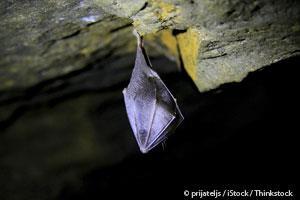
Story at-a-glance
- The deadly fungus known as white-nose syndrome is now responsible for the deaths of nearly 6 million bats in the U.S. and Canada. The disease, which was first detected in New York 8 years ago, has now spread to 25 U.S. states and 5 Canadian provinces.
- White-nose syndrome is spread among bats as they hibernate in caves and mines. The fungus invades the skin, interrupting the bats’ hydration and hibernation cycles. Sick, undernourished, dehydrated bats emerge from hibernation in late winter rather than in spring, and most ultimately die.
- The only method currently available to stem the spread of the disease is to restrict access to caves and mines in order to prevent transmission of the infection by humans. In August, the U.S. Fish and Wildlife Service awarded $1.3 million in grants to 30 states to support research, monitor bat populations, and detect and respond to white-nose syndrome.
- Bats are critically important to natural ecosystems and humanity across the globe. They provide tremendous pest control, pollination, and seed disbursement services, and bat guano (poop) is a rich fertilizer and major natural resource worldwide.
- You can help bat conservation efforts by educating family and friends about the importance of bats and the threat of white-nose syndrome, encouraging lawmakers to approve funding to fight the disease, reporting bat deaths or unusual behavior to your state wildlife agency, steering clear of closed caves and mines, and following appropriate decontamination protocols if you enter a cave or mine.
By Dr. Becker
Sadly, the bat-killing fungus known as white-nose syndrome continues to spread rapidly across the North American continent, leaving almost 6 million dead bats in its wake. The disease, which was first discovered in New York in February 2006, is now confirmed in 25 U.S. states and 5 Canadian provinces. The fungus, but not the disease, has also been confirmed in two additional states.
7 Species of Bats Are Currently Threatened, and 3 More Exposed
White-nose syndrome is so named because bats infected with the disease develop a white fungus around the nose, and sometimes on the ears, wings, and tail as well. The fungus, Pseudogymnoascus destructans, is from Eurasia and was inadvertently carried here by humans.
Seven species of bats have been diagnosed with white-nose syndrome:1
- Big brown bat
- Eastern small-footed myotis
- Gray bat (endangered)
- Little brown bat
- Indiana bat (endangered)
- Northern long-eared bat
- Tri-colored bat
Three additional species -- the southeastern bat, the silver-haired bat, and the Virginia big-eared bat (endangered) – have been found with the fungus, but have not yet developed the disease.
How White-Nose Syndrome Kills Bats
White-nose syndrome is spread from bat to bat as they hibernate in caves and mines. There’s no evidence to suggest the disease affects humans, but people can transfer the fungus from one cave or mine to others on their shoes and clothing.
The fungus invades the skin of hibernating bats, interrupting their hydration and hibernation cycles. The disease causes hibernating bats to wake up repeatedly during the winter, burning up limited fat reserves. They often emerge from hibernation sites early, in late winter, dehydrated and in search of food. Ultimately, they die.
Hibernating bats with white-nose syndrome have one or more symptoms of the disease, including:
- White fungus on the nose, ears, and wing membranes
- Depleted fat reserves
- Compromised immune response
- Wing damage or scarring
- Abnormal behavior as a result of being forced from hibernation too soon
According to bat conservationists, if current infection rates continue, the populations of 25 species of hibernating bats in the U.S. could decline, and some common species could be threatened with extinction.
Most bat species can be expected to live over 20 years, but female bats only give birth to one infant, or pup, each year. This makes recovery of lost bat populations extremely difficult. In areas where white-nose syndrome has killed large numbers, experts believe it is unlikely bat populations will recover to their original levels in our lifetime, if ever.
Fighting the Spread of White-Nose Syndrome Has Its Challenges
Unfortunately, the only method currently available to slow the spread of white-nose syndrome is to restrict access to caves, which reduces the opportunity for humans to transfer the infection.
Researchers continue to investigate several potential environmental treatments against the disease, but the sensitive and complex nature of cave ecosystems makes application of fungicides or other chemicals a high-risk undertaking.
In late August, the U.S. Fish and Wildlife Service awarded grants totaling $1.3 million to 30 states for white-nose syndrome projects. State natural resource agencies will use the funds to support research, monitor bat populations and detect and respond to white-nose syndrome.2
The Service is leading a broad cooperative effort to investigate and manage the disease by developing science-based protocols and guidance for land management agencies and other partners to slow the spread of white-nose syndrome. The Service has also funded a number of research projects to help manage the disease and improve understanding of it.
Why We Need to Be Concerned About Saving Bats
Bats tend to get a bad rap. They are widely misunderstood to be creepy, rabid, flying rodents. But the fact is, bats are hugely important to the world as we know it, providing irreplaceable benefits to both natural ecosystems and humanity across the globe.
There are over 1,300 bat species, and many consume vast quantities of insects, including those that damage agricultural crops. Other bat species pollinate important plant life, supporting fruit production and indirectly, diverse animal populations.
Fruit-eating species of bats disperse seeds that are crucial in restoring the health and vitality of tropical rainforests.
And even bat poop (guano) is useful as a rich natural fertilizer, and in fact, guano is a major natural resource worldwide.
How You Can Help
According to bat conservationists, to avoid endangering additional species of bats, urgent and effective action is needed. You can help by:
- Talking to your family and friends about the benefits of bats and the fact that white-nose syndrome is decimating entire populations of bats across North America.
- Encouraging your state and federal lawmakers to approve funding to fight the disease.
- Reporting unusual bat behavior, such as bats flying during the daytime in late-winter months, or bat deaths, to your state wildlife agency.
- Abiding by local, state and federal cave advisories and closures to help prevent the spread of white-nose syndrome.
- Following U.S. Fish and Wildlife Service decontamination protocols when entering a cave or mine.
© Copyright 1997-2014 Dr. Joseph Mercola. All Rights Reserved.