California Pushes to Label Foods Containing Produce Irrigated With Fracking Water
- by Crystal Shepeard
- August 23, 2015
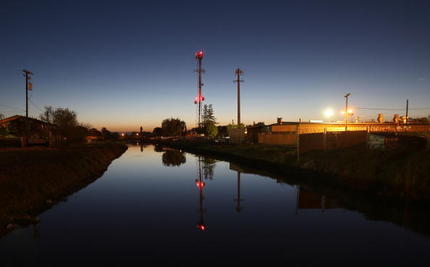
The race to find cleaner energy sources has led to a boon in hydraulic fracturing (“fracking”) in search of natural gas. Highly pressurized chemicals and water are pumped deep underground to break shale and release natural gas for harvesting. Residents and environmentalists have long been opposed to the process, which has seen an increase of health issues due to contaminated water. In drought stricken California, there is also concern about the amount of water being used in fracking operations, as well as what is done with the wastewater.
California farmers are frustrated with oil companies that have encroached on their areas. Fertile farm land is also filled with natural gas and there has been an increase in fracking operations. As the name implies, hyrdraulic fracturing is a water-intensive process. At the front-end, freshwater is infused with chemicals and is pumped into the shale. This has put farmers and oil companies in competition for the ever decreasing amount of water available.
As a result, more farmers are purchasing treated fracking wastewater from the oil and gas companies to irrigate their crops. An estimated 21 million gallons a day of treated wastewater are sent to Central Valley farmers. While this practice has happened for nearly two decades, the drought-induced increase has caused alarm. Through lobbying, oil and gas companies have been successful in limiting the amount of testing of the fracking water. The limited testing that is done is over a decade old and only tests for known chemicals and not the ones used in the fracking process.
California has been slow to act on regulation, but has started pushing for greater transparency. Last year, a law establishing stricter reporting requirements was signed by Gov. Jerry Brown last year. It requires companies to indicate the source of the water, what chemicals are used to treat it, and how the wastewater is disposed. The disposal report is required to include information as to whether the wastewater is reused in the fracking process, as well as if it is recycled and sold for other purposes – like farming.
One of the main concerns about the use of fracking wastewater for irrigation is that no one knows how or if the chemicals end up in the food chain. Part of the problem has been that farmers and scientists don’t even know what to test for. The first reports under the new requirements were issued this March. This allowed scientists to discover there are 316 chemical additives used in fracking. Many have never been studied to determine the impact on water quality. Still, it will be some time for research to be done to detail how much of the known chemicals end up in the treated water and if there is any risk to the food chain.
In the meantime, another California legislator wants to keep the public informed that recycled fracking wastewater is used on the food they eat. Rep. Mike Gatto of Glendale wants to amend the California Health and Safety code to require manufacturers that “produces packaged food that contains a plant irrigated with wastewater from oil and gas field activities” to label the package accordingly. In addition, farmers and other suppliers are required to inform buyers if they used fracking wastewater during irrigation.
The bill does not stop the use of recycled fracking wastewater, but allows for greater transparency of its use. Activists have pushed for more labeling on foods in light of greater knowledge of how our food is grown and distributed. A proposition to require labeling of products that use GMO crops failed to pass by voters in 2012. The fracking wastewater bill takes a similar approach to labeling requirements.
The amount of water used for fracking is much less than that used for agriculture. Nevertheless, with water sources literally drying up every drop matters and the prioritization of its use is paramount. Interestingly, a new process to increase the amount of wastewater that is reused in the fracking process has been developed. Instead of using freshwater at the front end, wastewater is treated and modified enough and reduces the amount of freshwater used. A fracking site in Pennsylvania has been able to recycle nearly 80 percent of its water.
Some companies in California have started reusing a small amount of wastewater, but still all rely on freshwater. While the bill introduced by Gatto will do nothing to reduce the use of wastewater in irrigation, if passed, it will allow Californians to be more aware. Consumers have no control over food production. However, knowing what’s involved in the process allows them to make an informed choice as to what makes it to the dinner table.