Startup of first new U.S. nuclear reactor in 20 years closer to reality
The Tennessee Valley Authority (TVA) is edging ever closer to the startup of its Watts Bar Nuclear Plant Unit 2 (WBN 2) with a recent recommendation by the Advisory Committee on Reactor Safeguards (ACRS), a key advisory group for the Nuclear Regulatory Commission (NRC), to move forward with the process to grant an operating license for the plant. The startup of the plant would mark the United States' first new nuclear plant in 20 years.
 |
|
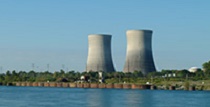
Watts Bar nuclear plant. Credit: TVA |
In a letter to the NRC Chairman, the ACRS noted that "there is reasonable assurance that WBN 2 can operate as the second unit of the dual unit Watts Bar Nuclear Plant without undue risk to the health and safety of the public."
TVA contends that the committee's conclusion on TVA's preparedness and ability to operate a dual-unit station is the result of six years of discussions, interactions and meetings through which TVA has demonstrated that Unit 2 is being completed safely, with quality, and in a manner to protect the general public.
As an independent body within the NRC, the Advisory Committee on Reactor Safeguards made the recommendation to proceed with the licensing process after reviewing the results of hundreds of detailed inspections and thousands of pages of documentation to ensure that Watts Bar Unit 2 will meet regulations and standards for safe and efficient operation. Their recommendation is part of the information NRC commissioners will consider when making a final decision on issuing an operating license for Watts Bar Unit 2.
"This completes a critical regulatory step in the process to start up the nation's first new nuclear unit in 20 years," said TVA Chief Nuclear Officer Joe Grimes. "This is a major milestone that will bring clean, reliable energy and economic benefits to TVA, the Tennessee Valley and the industry for decades."
Although there is still a significant amount of complex work remaining, Watts Bar Unit 2 is approximately 95 percent complete and remains on target to begin commercial operations between September 2015 and June 2016 at a total cost of up to $4.5 billion. Once in service, the plant, located near Spring City, Tennessee, will produce 1,150 megawatts of carbon-free electricity.
For more:
- visit this
website
© 2015 FierceMarkets, a division of Questex Media Group LLC. All rights reserved.