That Arctic Ice Growth Surprise? It Doesn’t Disprove Climate Change
- by Steve Williams
- July 27, 2015
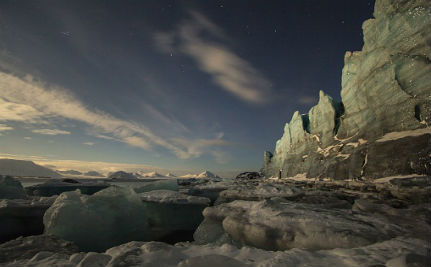
New data shows that in 2013 Arctic ice actually grew rather than retreating as climate change models had predicted. Far from proving climate change is a myth or that ice retreat has ended, as skeptics are now claiming, this reveals something much more interesting about our warming climate.
The research, which was published this month in the science journal Nature, comes as a result of scientists embarking on the first wide scale analysis of the Arctic sea ice’s entire volume. The study, led by researchers at University College London, uses data collected by the European Space Agency’s Cryosat satellite which has enabled scientists to amass over 88 million measurements of the Arctic ice coverage. By analyzing those measurements, the researchers were able to come up with some interesting findings.
Most prominent among those discoveries was that Arctic sea ice actually grew by about a third in 2013 and continued to grow into 2014, partly compensating for the 14 percent drop incurred during the 2010-2012 period. This at first might seem surprising given that we are told that sea ice should be melting–if, that is, climate models are correct. Indeed, many anti-climate science news sites have made a lot out of this finding. The problem is, it isn’t the complete picture.
Highlighting this little factoid without then mentioning the six percent loss the data also showed for the full year of 2014 is incredibly misleading, but that’s precisely what websites like the Daily Mail appear to have done. What’s more, Arctic ice levels are nowhere near restored to the levels seen in the late 1970s when, estimates say, they were around 40 percent higher. Separate data from this year that was obviously not included in this study also appears to show that June 2015 figures saw the satellite record the third lowest Arctic ice volume since the satellite launched in 2010.
Regardless of this though, the question does remain: Why did this small recovery happen? To put it simply, it appears that 2013 had a colder than average summer and this allowed an albeit modest resurgence of ice, basically because there were fewer warm days for the ice to actually melt. While bearing in mind that this didn’t totally last into 2014 but did at least persist so as to be significant, what does this tell us about the Arctic sea ice? The researchers say it demonstrates that the Arctic ice might rely more heavily on summer temperatures than winter ones. As such, climbing global temperatures would appear to be even more concerning because as the gap between winter and summer temperatures widen, the chance for the ice to renew itself would appear to dwindle.
Yet, on the more positive side, the researchers also believe that this data suggests the Arctic sea ice is more robust than had previously been thought, and that it may be capable of regenerating much more quickly than we’d estimated–but facilitating that would require action from us.
“You see Arctic sea ice as dwindling and in decline, but then there is a cold year and you get some of the ice back,” said lead author Rachel Tilling. “It shows there is hope for Arctic sea ice, if you can turn the clock back to colder temperatures, which would need huge reductions in carbon emissions.”
So it all comes down to one thing: world governments taking action at the Paris climate talks this December. In the meantime, overall figures continue to show that there is a consistent downward trend in the Arctic ice volume, regardless of what climate skeptics want us to believe when they cherry pick data.