30 percent is possible. Just look at Germany
Germany is well on its way to achieving its 2030, confirms a new report from the International Renewable Energy Agency (IRENA) renewable energy targets.
 |
|
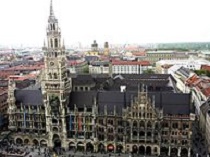
Munich, Germany. Credit: Bohyunlee/Wikimedia Commons |
Renewable Energy Prospects Germany finds Germany has the potential to further increase the amount of renewable power from solar photovoltaics and wind and achieve significantly higher shares of renewables in the end use sectors.
"Germany's rapid renewable energy expansion and ambitious targets have demonstrated to the world that a 30 percent share of renewable power is possible," said IRENA Director-General Adnan Z. Amin. "However, to meet even higher shares and continue building one of the world's most energy-efficient, sustainable and low-carbon energy systems, Germany must now expand its focus beyond the power sector."
Germany's focus on renewable energy development in the power sector has increased renewable power capacity from 12.3 GW in 2000 to 85 GW in 2013. Consequently, the share of renewables in electricity consumption has increased steadily over the last 15 years from 6 percent in 2000 to more than 30 percent in the first half of 2015.
According to the report, Germany will need to increase focus on renewable and electrification technologies in the end use sectors, while also focusing more on the abundant renewable potential for heating and transport fuel. Germany and its neighbors must work together to accelerate the energy transition by strengthening regional transmission capacity, reforming power markets and better linking ambitious climate goals with renewables, according to the report.
Germany is setting the regulatory framework for the country's electricity future.
"Our ambitious targets provide a reliable foundation for further deployment of renewable energy sources. A key prerequisite is to ensure energy security, based on increasing shares of renewables, at the lowest possible costs. Our future market design will meet the challenge of synchronizing conventional and renewable electricity," said German State Secretary for Energy Rainer Baake. "Importantly, we address this challenge in close coordination with our neighbor countries and the European Union. As this report shows, further integration of the electricity, heating and transport sectors will be needed to further expand the share of renewables. Our Act on the Digitization of the Energy Transition is one important milestone to achieve this."
Germany's renewable energy efforts to date have reduced fossil fuel import costs, fostered innovation and created jobs. In 2013, more than 371,000 people were employed in the sector, more than double the number of jobs in 2004. Achieving the higher share of renewable energy identified in the report could provide further benefits when accounting for lower health costs and environmental damage, and reduced fossil fuel imports.
For more:
- see the
report
© 2015 FierceMarkets, a division of Questex, LLC. All rights reserved.
http://www.smartgridnews.com/story/30-percent-possible-just-look-germany/2015-11-12