Flowers Used in Chinese Herbal Medicine
25th October 2015
Guest Writer for Wake Up World
Herbal therapies are an integral part of traditional Chinese medicine (TCM). While there are 5,767 substances defined in the Encyclopedia of Traditional Chinese Medicinal Substances, a typical practitioner may routinely use between 200 and 600.
Most often, the herbs (a combination of one to 13 different plants) are added to water and boiled. The liquid is then separate from the herbs and drunk as a water decoction.
The herbs may also be consumed in powdered form, spray-dried concentrates, pill form, or even “honey pills,” which are “prepared by combining powdered herbs with concentrated decoctions and honey to produce a small herbal pill.”1
It used to be customary for Chinese families to maintain a collection of herbal formulas used to treat various medical problems, life changes (pregnancy, menopause, and old age), or even use for the different seasons.
Some still do maintain such knowledge and use herbal remedies in their daily lives, while in the modern day you can find a TCM practitioner to help determine which herbs are right for you.
7 Flowers Used in Chinese Herbal Medicine
You’ve probably heard of some of the more common herbs used in TCM, such as panax ginseng, licorice, and rhubarb root. However, there are others as well, including flowers you might not expect. For instance, the Epoch Times compiled the 7 flowers that follow, which have been used as part of Chinese medicine for centuries.2
1. Lonicera Flower (Jin Yin Hua)
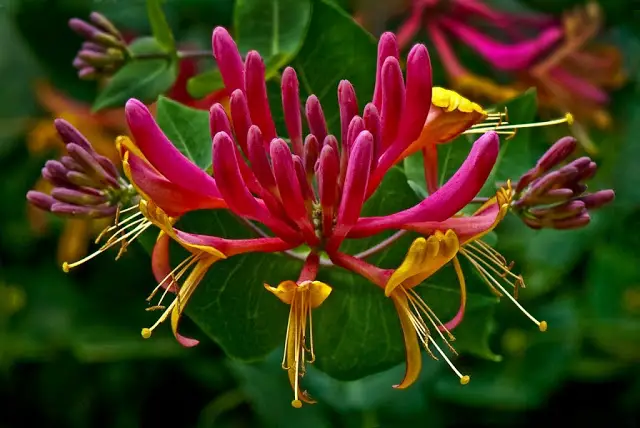 Also
known as honeysuckle flower, this remedy is often used for colds, flu,
and sore throats. It was even used in combination with three other herbs
as a treatment for swine flu.
Also
known as honeysuckle flower, this remedy is often used for colds, flu,
and sore throats. It was even used in combination with three other herbs
as a treatment for swine flu.
Research has shown the flower, in combination with other herbs used to treat acute bronchitis, “had potent pharmacological action” as well as showed antiviral and antibacterial effects.3 It’s also known for its anti-inflammatory actions.4
2. Viola Flower (Zi Hua Di Ding)
Also known as the purple flower earth herb or the Chinese violet, viola flower has anti-inflammatory and antipyretic (fever-reducing) effects. It is often used for clearing heat, releasing toxins, or dissolving masses, and it is an age-old remedy for snake bites (to help reduce both swelling and toxicity).
Viola is traditionally associated with the heart and the liver5 and is also sometimes used for bacterial infections.
3. Pagoda Flower (Huai Hua)
Also known as Sophorae flower, this remedy is used for bleeding disorders, including in the treatment of hemorrhoids and excessive menstrual bleeding.
4. Chrysanthemum Flower (Ju Hua)

This common herbal medicine is useful for treating dry, irritated eyes, high blood pressure, and headaches. Chrysanthemum flowers are often used in combination with honeysuckle to lower high blood pressure and treat arteriosclerosis.6
It’s also said to affect the liver and lungs, and is commonly consumed in tea form. According to the Jade Institute:7
“The benefits of long-term consumption of Chrysanthemum tea have been recognized throughout the history of Chinese medicine. It is said to prevent aging and to be a favorite of Taoists and poets, though the benefits are achieved only with drinking the tea over a long period of time.
In the Shen Nong Ben Cao Jing, it says, ‘taken over a long time it facilitates the qi and blood, lightens the body and prevents aging.’”
5. Magnolia Flower (Xin Yin Hua)
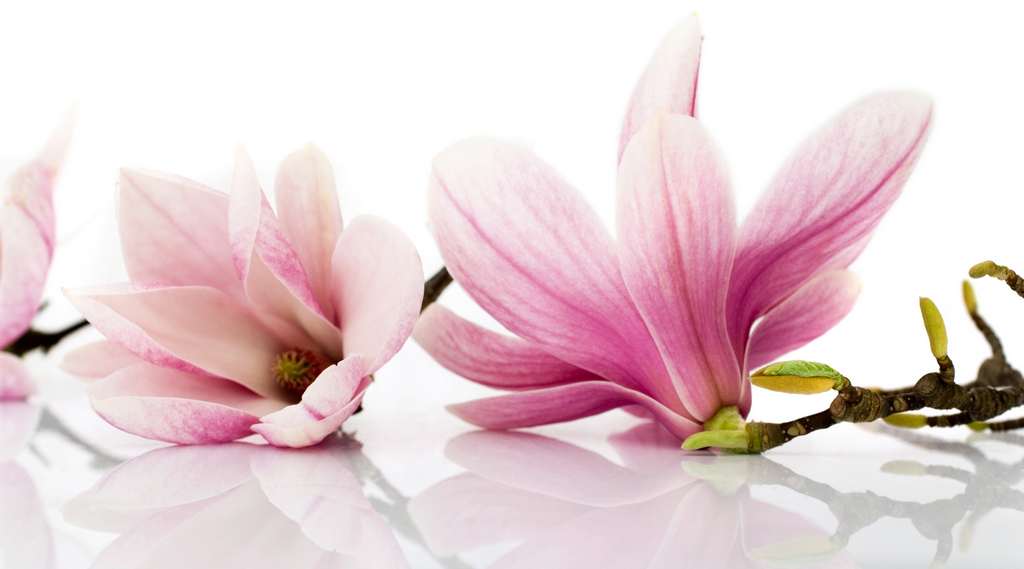
If you have nasal congestion or chronic sinusitis, magnolia flower is the herbal remedy for you. An herbal tea containing magnolia flower and other Chinese herbs was found to improve chronic sinusitis when used for six weeks.10
Fermented magnolia flower petal extract has also shown promise as a natural antioxidant and anti-cancer agent.11
6. Safflower (Hong Hua)
Also known as Carthamus, this red flower is typically used to treat menstrual disorders, invigorate circulation, and dissolve clots. It’s also useful for treating heart disease, joint pain, and flat warts.
Safflower was among a group of Chinese herbs found to be potentially beneficial for people with elevated blood triglyceride levels, a risk factor for arteriosclerosis, diabetes, and high blood pressure.8
According to the American Botanical Council (ABC), safflower is among the blood-promoting herbs in Chinese medicine that aid circulation, nourish blood and increase its production, and have anti-thrombotic properties. ABC notes safflower may “support coronary blood flow and reduce myocardial oxygen use, ischemia, and arrhythmia.”9
7. Lotus Flower (Lian Zi Xin)
The lotus flower is used for treating bleeding disorders, including bloody noses, as well as irritability and fevers. Its seeds, stem, and leaves are also used in TCM.
Elder Flower: Another Traditional Flower Remedy Worth Trying
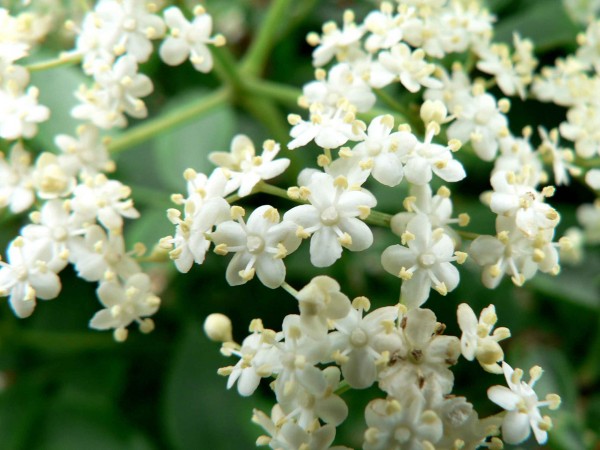
Elder flowers, the flowers of the elder tree (which also gives us elderberries), are rich in flavonoids, minerals, phenolic compounds, volatile oils, and more. In traditional Greek medicine, elder flowers were used as a diaphoretic (to increase sweating, which is helpful for eradicating a virus from your system).
In Germany, elder flower is commonly used to treat feverish common colds, and in the US and Canada, elder flower may be combined with yarrow flower and peppermint leaf in tea form to relieve colds and flu. According to the American Botanical Council:12
“Its flavonoids and phenolic acids may contribute to the diaphoretic effect. It has demonstrated anti-inflammatory, antiviral, and diuretic actions in in vitro studies. The flavonoids and triterpenes appear to be the main biologically active constituents.
The Commission E [in Germany] approved the internal use of elder flower for colds. The British Herbal Compendium lists its uses for common cold, feverish conditions, and as a diuretic. The German Standard License for elder flower tea calls it a diaphoretic medicine for the treatment of feverish common colds or catarrhal complaints.”
Elder flower has been traditionally used as a tonic to boost immunity. It is also widely known to promote lung and bronchial tract health. If you’re battling a cold or flu, try drinking elder flower tea (combined with yarrow, boneset, linden,peppermint, and ginger, if you like) hot and often to help induce sweating and flush the virus out. Further, as noted by Herb Wisdom:13
“The most common uses [of elder flower] are for colds and flu, sinus infections, and other respiratory disturbances. As a supplement, elderflower also has diuretic and laxative properties and is helpful in relieving occasional constipation.
Elderflower has antibacterial and antiviral properties and may also help alleviate some allergies and boost the functioning of the immune system. Topically, elderflower might help reduce pain and swelling in joints due to some forms of arthritis and is used to stop bleeding.
As an oral rinse, elderflower can be used for its antiseptic properties as a mouthwash and gargle. Elderflower also reduces blood sugar levels, very similar to the way insulin works.”
Lavender: Another Incredibly Useful Herb
 Lavender
oil is known for its calming and relaxing properties, and has been
used for alleviating insomnia, anxiety, depression, restlessness, dental
anxiety, and stress. It has also been proven effective for nearly all
kinds of ailments, from pain to infections.
Lavender
oil is known for its calming and relaxing properties, and has been
used for alleviating insomnia, anxiety, depression, restlessness, dental
anxiety, and stress. It has also been proven effective for nearly all
kinds of ailments, from pain to infections.
Its name actually comes from the Latin lavare, which means “to wash,” and lavender has long been used as a tonic to help cleanse the skin.14 I am particularly fascinated by lavender oil’s potential in fighting antifungal-resistant skin and nail infections.
Scientists from the University of Coimbra found that lavender oil is lethal to skin-pathogenic strains known as dermatophytes, as well as various Candida species.15 Lavender oil has a chemically complex structure with over 150 active constituents.16This oil is rich in esters, which are aromatic molecules with antispasmodic (suppressing spasms and pain), calming, and stimulating properties. The chief botanical constituents of lavender oil are linalyl acetate, linalool (a non-toxic terpene alcohol that has natural germicidal properties), terpinen-4-ol, and camphor.
Other constituents in lavender oil that are responsible for its antibacterial, antiviral, and anti-inflammatory properties include cis-ocimene, lavandulyl acetate, 1,8-cineole, limonene, and geraniol. Lavender can also be used to:17
- Relieve pain. It can ease sore or tense muscles, joint pain and rheumatism, sprains, backache, and lumbago. Simply massage lavender oil onto the affected area. Lavender oil may also help lessen pain following needle insertion.
- Treat various skin disorders like acne, psoriasis, eczema, and wrinkles. It also helps form scar tissues, which may be essential in healing wounds, cuts, and burns. Lavender can also help soothe insect bites and itchy skin (lavender oil can help ward off mosquitoes and moths. It is actually used as an ingredient in some mosquito repellents).
- Keep your hair healthy. It helps kill lice, lice eggs, and nits. The Natural Medicines Comprehensive Database (NMCB) says that lavender is possibly effective for treating alopecia areata (hair loss), boosting hair growth by up to 44 percent after just seven months of treatment.
- Improve your digestion. This oil helps stimulate the mobility of your intestine and stimulates the production of bile and gastric juices, which may help treat stomach pain, indigestion, flatulence, colic, vomiting, and diarrhea.
- Relieve respiratory disorders. Lavender oil can help alleviate respiratory problems like colds and flu, throat infections, cough, asthma, whooping cough, sinus congestion, bronchitis, tonsillitis, and laryngitis. It can be applied on your neck, chest, or back, or inhaled via steam inhalation or through a vaporizer.
- Stimulates urine production, which helps restore hormonal balance, prevent cystitis (inflammation of the urinary bladder), and relieve cramps and other urinary disorders.
- Improve your blood circulation. It helps lower elevated blood pressure levels and can be used for hypertension.
Do You Want to Use More Medicinal Herbs?
Herbs can help support your health from a very basic level, just as foods do. In the late 1800s and early 1900s, you could walk into a drug store and find hundreds of herbal extracts for sale. Upwards of 90 percent of the population at that time knew how to use the medicinal plants growing in their backyards to treat common illnesses and injuries; they had too, as this was virtually the only “medicine” available.
With the rise of what is now known as conventional allopathic medicine shortly before World War I, herbalism slowly fell out of favor and became to be thought of as folk medicine. Rather than viewing nature as the source of healing, as had been done for centuries, people began to view drugs and other “modern” healing methods as superior. If you would like to start using medicinal plants more often, here are 9 tips to do so. I also recommend browsing through my “Ultimate Guide to Herbal Oils“:18
- Learn to identify three medicinal plants you don’t already know that grow in your region and learn their uses.
- Add at least one of these herbs to your garden or to pots on your windowsill.
- Make a tincture, tea, syrup, or salve. Or make one of each!
- Harvest and dry mint, lemon balm, calendula, nettles, or any other plant growing in your region.
- Find a plant to sit with quietly each morning for a week; draw the plant.
- Identify one healing skill you would like to have but don’t, and find a way to learn it — perhaps by taking an herb or aromatherapy class.
- Make an herbal first aid kit.
- Organize local healers for emergency response in your community.
- With medicinal plants grown in your region, learn how to treat one condition that you and/or someone in your family struggles with.
Article Sources:
- 1 West J Med. 2002 Sep; 176(4): 275–279.
- 2 Epoch Times August 17, 2015
- 3 Zhongguo Zhong Xi Yi Jie He Za Zhi. 1992 Dec;12(12):719-21, 737, 708.
- 4 Clin Chim Acta. 2003 Apr;330(1-2):165-71.
- 5 Acupuncture Today, Viola
- 6 American Botanical Council, HerbClip September 13, 1996
- 7 Jade Institute, Chrysanthemum Flower
- 8 American Botanical Council February 28, 2014
- 9 American Botanical Council June 30, 2009
- 10 J Altern Complement Med. 2009 Jan;15(1):67-77.
- 11 Molecules. 2015 Jul 3;20(7):12154-65.
- 12 American Botanical Council, Elder flower
- 13 HerbWisdom Elder Flower
- 14 Medical News Today September 9, 2014
- 15 Science Daily February 16, 2011
- 16 Natural News September 14, 2013
- 17 Medical News Today September 10, 2013
- 18 NumenFilm.com