Plastic Waste in the Ocean Will Outnumber Fish by 2050
11th April 2016
Contributing Writer for Wake Up World
A dump truck full of plastic is unloaded into the sea every minute, and experts say the situation is growing worse, with plastic debris expected to outnumber fish by 2050.
With plastic production currently at a twentyfold increase since 1964, generating 311m tonnes in 2014, a new report by the Ellen MacArthur Foundation has revealed we are rapidly approaching an environmental catastrophe — especially where the world’s oceans are concerned. This number is expected to double in the next 20 years and almost quadruple by 2050.
New plastics will use 20% of all oil within 35 years, which stands at around 7% today. And, despite the increasing demand, a mere 5% of all plastics are recycled successfully — with 40% ending up in landfills and a third in delicate ecosystems like the ocean. The remainder tends to be burned to generate energy, which has its own environmental impact not only in the pollution this practice generates, but also because it causes more fossil fuels to be used in order to make new plastic products like bags, cups, tubs and consumer devices.
A sea of plastic
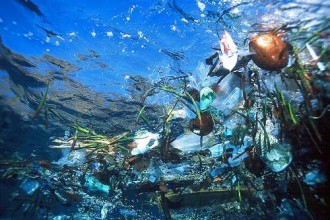
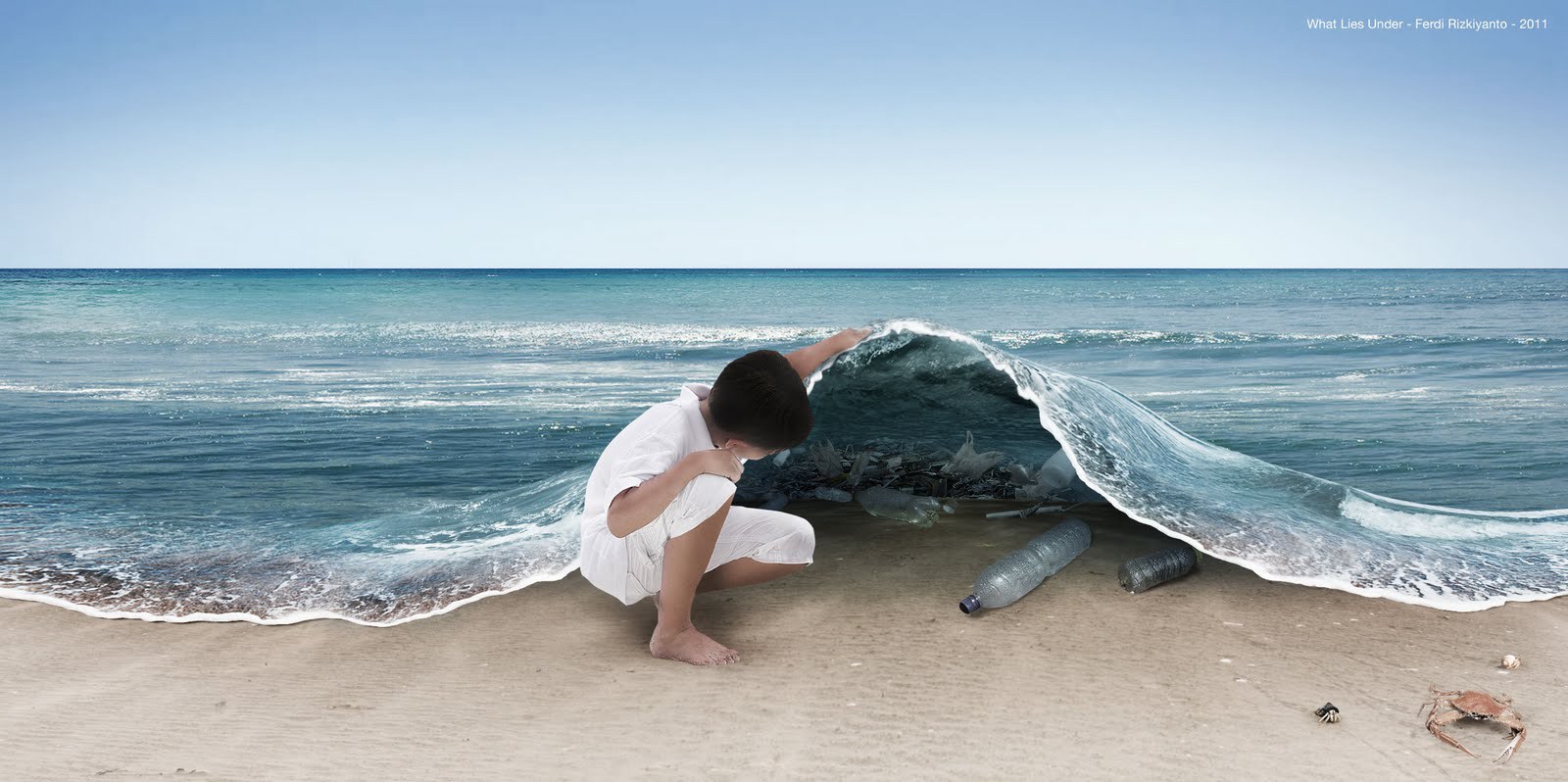
One of the more shocking details in the report addresses how, by 2050, we will have more plastic in the ocean than fish. Sit with that for a moment. The day will come in the not so distant future where the sea will be so clogged with plastic debris, fish will be in the minority.
The report states that every year “at least 8m tonnes of plastics leak into the ocean – which is equivalent to dumping the contents of one garbage truck into the ocean every minute. If no action is taken, this is expected to increase to two per minute by 2030 and four per minute by 2050. In a business-as-usual scenario, the ocean is expected to contain one tonne of plastic for every three tonnes of fish by 2025, and by 2050, more plastics than fish [by weight].”
This scenario isn’t only horrifying from an aesthetic point of view, the environmental impact has far-reaching ramifications. Think bisphenol A (BPA), DDT, PCBs — three exceptionally toxic chemicals present in plastic. BPA causes a number of disorders, including cancer, diabetes, infertility and obesity. DDT is linked with cancer, miscarriages, low birth weight, male infertility, developmental delay, nervous system and liver damage. PCBs also contribute to cancer and are linked with disorders of the immune, reproductive, nervous and endocrine systems.
All three poisons endanger wildlife as well. So much so that UK whales and dolphins are at risk of extinction because of high levels of PCBs in the environment. Another example that illustrates how utterly toxic our oceans have become is when scientists discovered yogurt cups, food wrappers and a shoe in the stomach of a dead orca. How did we arrive at such a point of madness?
Unfortunately, when plastic breaks down, poisons leach into the environment — especially the ocean. Fish are also attracted to these colorful bits and eat them, which invariably saturates their tissues with toxins. In the end, the chemicals arrive on our dinner plates.
As observed in Plastic is Killing the Planet and Our Health — Here’s How We Can Turn the Tide:
“Here’s the catch: every piece of plastic that was ever made is still with us today as it was designed to last — and it does, for hundreds of years. The ecosystem and our health are choked by it. What will the planet look like in the not so distant future with the ever increasing influx of this hardwearing material? It’s a sobering thought and one that doesn’t have an easy answer.”
What can we do?
The first step in reducing our plastic load is to become informed. The documentary Plastic Paradise is an excellent place to start. We can also get industry on-board to help mitigate the problem.
“One part of the solution is to rethink the way goods are packaged, cutting the demand for plastic. Water-soluble film, for example, can be used to wrap small items. Hard-to-recycle plastics such as PVC and expandable polystyrene could be phased out. […]
Manufacturers could redesign plastic items so they can be reused better, and rethink their production methods to make recycling easier. More products could be made out of plastics which can be composted on an industrial scale, including rubbish bags for organic waste and food packaging for outdoor events, canteens and fast food outlets.” [source]
As consumers, we have tremendous power in turning the plastic tide. Environmentally friendly ideas include:
- Reject single use plastic bags, food containers and bottles
- Rethink shampoo, dish and laundry soap
- Petition your favorite brands to favor biodegradable packaging like paper and glass
- Contact your local stores and educate them about the damaging effects of plastic
- Avoid synthetic fabrics and opt for hemp, wool, cotton or silk instead
- Swap out plastic wrap and bags
- Seek out supplement brands that aren’t housed in plastic
- Don’t purchase or consume canned food
- If you have children, choose natural toys
For further details about the above suggestions, click here.
There are several bright spots on the eco-friendly horizon, such as a plastic eating mushroom and a small household device developed in Japan that converts plastic waste into heating oil, gasoline, kerosene and diesel.
As wonderful as these developments are, we are still faced with an overload of plastic – and it will only become worse. Until we get a handle on the underlying problem of consumption and waste, innovative technologies will simply be a Band-Aid for a larger problem.
Plastic Paradise: The Great Pacific Garbage Patch (Documentary Trailer)
Article sources
- www.theguardian.com/business/2016/jan/19/more-plastic-than-fish-in-the-sea-by-2050-warns-ellen-macarthur
- www.ecowatch.com/2016/01/20/more-plastic-than-fish-in-ocean
About the author:
 Carolanne
Wright enthusiastically believes if we want to see change in the world,
we need to be the change. As a nutritionist, natural foods chef
and wellness coach, Carolanne has encouraged others to embrace a healthy
lifestyle of organic living, gratefulness and joyful orientation for
over 13 years.
Carolanne
Wright enthusiastically believes if we want to see change in the world,
we need to be the change. As a nutritionist, natural foods chef
and wellness coach, Carolanne has encouraged others to embrace a healthy
lifestyle of organic living, gratefulness and joyful orientation for
over 13 years.
Copyright © 2016 Wake Up World.
http://wakeup-world.com/2016/04/11/plastic-waste-in-the-ocean-will-outnumber-fish-by-2050