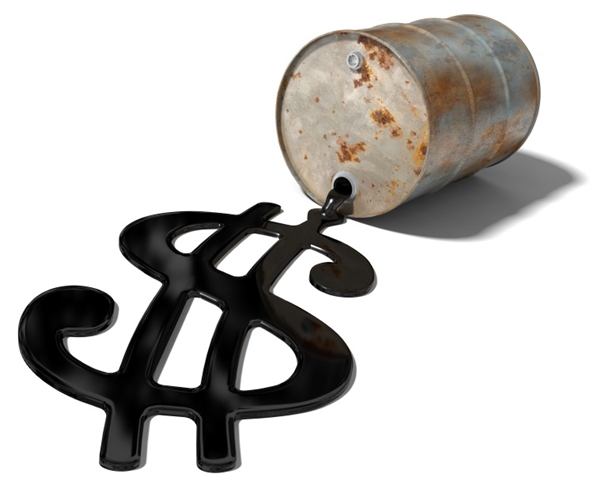
Saudi Arabia’s net foreign assets fell by $115 billion last year to plug a budget deficit that reached about 15 percent of economic output. After decades of talk of diversification, more than 70 percent of Saudi government revenue came from oil in 2015. In response, the government has already announced cuts in utility and gasoline subsidies in December.
IMF Assessments
Five out of eight OPEC countries assessed by the IMF will see their fiscal break-even oil price fall this year.
Iran -- Saudi Arabia’s arch rival in the Middle East -- will see the second-biggest drop, by 27 percent to $61.50 a barrel. Kuwait is the best-positioned to balance its budget, needing $52.10 a barrel.
Libya is the worst-positioned, with its budget needing an oil
price of $195.20. That’s little changed from last year as the
country with the largest oil reserves in Africa struggles to
ramp up output amid the political divisions and chaos that have
afflicted Libya since the fall of the late dictator Muammar
Qaddafi in 2011.
West Texas Intermediate for June delivery was 37 cents higher at
$43.01 a barrel on the New York Mercantile Exchange at 11:52
a.m. London time after climbing as much as 1.2 percent earlier.
The contract lost $1.09 to $42.64 on Monday after advancing 9.9
percent the previous four sessions. Total volume traded was in
line with the 100-day average.