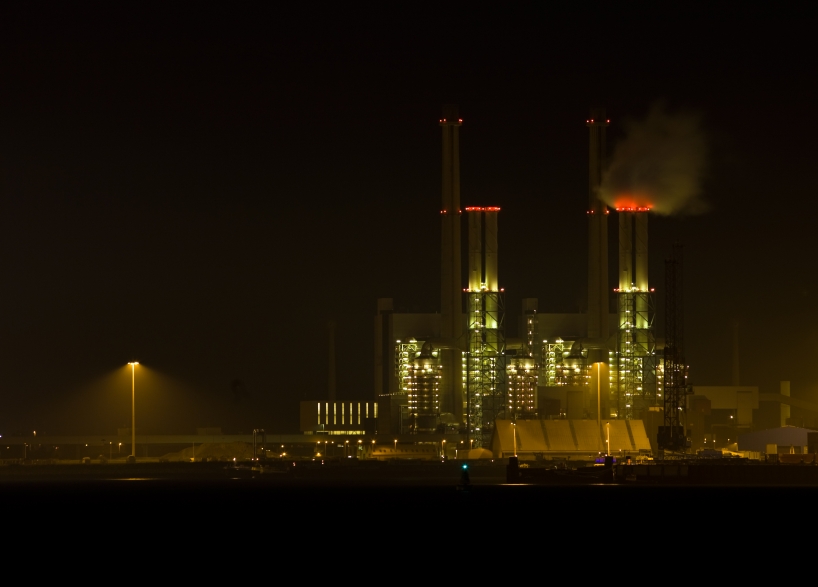
In fairness to all parties, we're breaking a new trail here as we try to regulate and secure the millions of tons of coal ash that sit around present or former power plants across the state.
It's only in the last few years that any government at any level has tried to deal with the waste from the generating plants. And it's only in the last few years that we've all realized how dangerous the ash can be -- that it's loaded with heavy metals and carcinogens that can leak from storage ponds into nearby wells, or worse, burst into a nearby river.
That said, North Carolina has, at best, blazed a crooked and confusing trail in the wake of the spill at Duke Energy's Eden plant that coated the Dan River with slimy, gray ash just over two years ago.
Regulators and Gov.
Pat McCrory have been all over the map since the spill, first
downplaying its importance, and then gradually increasing their
apparent concern -- some of which was prodded by lawsuits filed
by environmental groups. The hard line for regulation reached
its zenith in May, when the Department of Environmental Quality
proposed that the ash at all 14 Duke Energy sites around the
state be excavated and transported to safer storage, like the
lined abandoned clay mines in Chatham and Lee counties that will
be filled with millions of tons of ash.
The DEQ proposal, though, had no chance in the General Assembly, where Duke Energy has a powerful and influential voice. The nation's largest power company had already made it clear that excavating every waste impoundment would create a hefty expense, some of which would be passed along to the rate payers. The company also argued that disturbing the ash at some already dried-up storage ponds might do more harm than good.
We don't know exactly what role Duke played, but legislation just passed, requiring only half of the ash to be excavated, suggests that it was significant.
Southern Environmental Law Center senior lawyer
Frank Holleman says the new law "is proof positive that when
Duke Energy says 'Jump,' the legislature says, 'How high?' "
Two of the ash sites that will be cleaned up are Duke's Cape Fear Plant in Moncure and the Weatherspoon Plant in Lumberton. Both posed a threat to the drinking water supply of this region.
But we know now that coal ash contains lead, arsenic, mercury and other elements that are dangerous to human life. And we know that all of the ash was stored in unlined pits, which means those elements can easily leach into the freshwater aquifers beneath them and spread far beyond the site.
The question, it appears, is how many lawsuits will it take before the state does the right thing?
___
(c)2016 The Fayetteville Observer (Fayetteville, N.C.)
Visit The Fayetteville Observer (Fayetteville, N.C.) at www.fayobserver.com
Distributed by Tribune Content Agency, LLC.