 Alison Young, USA TODAY
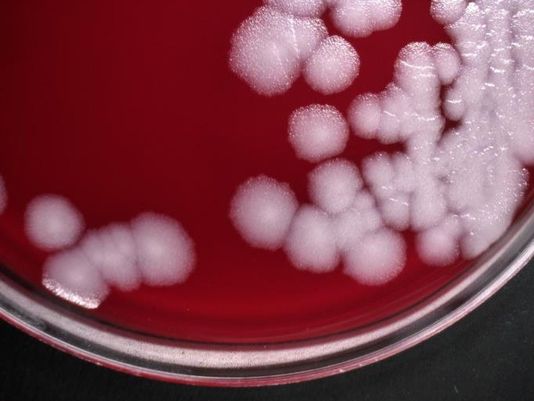
Laboratories reported more than 230 safety incidents with bioterror viruses and bacteria last year, hundreds of workers were monitored for potential exposures and a handful of labs had their permits suspended because of violations that raised “significant concerns for imminent danger,” according to a report released Thursday by federal lab regulators in response to a White House call for greater public transparency.
Background checks by the FBI stopped 16 individuals that posed security risks – including six convicted felons, two fugitives and a person found to be a “mental defective” -- from working in labs where they’d have access to pathogens such as those that cause anthrax, Ebola, plague and botulism, the report said.
But in their first-ever public report, regulators continue to keep secret the identities of the labs that had serious safety accidents and faced enforcement actions when working with what the government calls “select agent” pathogens because of their potential to be used as bioweapons.
The report even keeps secret the widely reported name of the Army’s Dugway Proving Ground lab in Utah, which last year was discovered to have been mistakenly sending specimens of live anthrax – labeled as killed – to dozens unsuspecting labs across the country and around the world. The report only describes the lab as an entity of the federal government and doesn’t name the type of live pathogen that was shipped.
The kind of aggregate information in the report “remains
useless to communities who want to know how safely their local
laboratories are operating and what is being done to correct
problems,” said Beth Willis, a citizen lab safety advocate in
Federal lab regulators said the report provides a broad
picture of safety and oversight of labs working with these kinds
of pathogens. It’s part of “a journey to increase transparency,”
said Daniel Sosin, acting director of the
“I think the very important message here that will come across is that the vast majority of labs are doing well and following the regulations,” Sosin said.
Sosin said that providing lab-specific information, at least at this time, would have negative effects on the relationship between regulators and lab operators, potentially resulting in a reluctance to disclose incidents as required. He said the program is encouraging voluntary disclosures of incidents by labs, such as those in the federal government, who are willing to lead by example.
An ongoing USA TODAY Network investigation that began last year has revealed that more than 100 labs working with potential bioterror pathogens have faced secret federal sanctions for safety violations, yet regulators allowed them to keep experimenting while failing on inspections, sometimes for years. Despite federal officials’ efforts to keep secret the identities of these troubled labs, reporters revealed they have included several prestigious institutions – including some of the CDC’s own labs.
In October, White House science and homeland security advisers issued sweeping directives for improving lab safety in the wake of several high-profile lab incidents at federal labs. The White House directive, citing USA TODAY’s reporting, also called for federal laboratories to “develop and adopt a policy of transparency, to the maximum extent feasible, regarding both the agents used and laboratory incidents.” And it set a June deadline for a first annual report with aggregate data to be made public.
“We are encouraged by the progress agencies are making towards achieving the objectives of the October 29, 2015 memorandum,” the White House said in a statement late Thursday. The objectives included “transparency, swift incident reporting and accountability to the public” as well as strong inventory management, the statement said.
Richard Ebright, a biosafety expert at
Among the statistics in the report:
- Labs filed 233 reports of potential releases of regulated pathogens, such as needle sticks, bites by lab animals or failures of protective worker safety equipment. Of these, 199 were potential occupational exposure incidents that resulted in 908 lab workers being provided medical assessments, tests or preventative treatments. Most of the workers, 712, were in diagnostic medical and veterinary labs that were not expecting to encounter a clinical specimen of a regulated pathogen.
- Two workers at an unnamed federal lab were exposed to Coxiella burnetii, a bacterium that causes Q fever, a disease primarily of cattle, sheep and goats that can also sicken people. While most will recover, some can have serious complications including pneumonia, inflammation of the liver or heart, miscarriage or pre-term delivery. While no lab incident was identified and neither had shown any symptoms, antibodies indicating possible exposure were discovered during routine testing.
- One worker at an unnamed academic lab tested positive for possible exposure to Brucella bacteria during an annual screening test. The worker had experienced no known lab incident and has never demonstrated any symptoms.
- Regulators received 12 reports of potential losses of pathogen specimens, which the FBI later determined were either inventory records errors or samples mistakenly sanitized and discarded as waste.
- Six lab operators – one private, two commercial, two federal government and one non-federal government -- were put into a federal corrective action plan program “to address serious and recurrent findings that do not present an imminent risk to public health and safety.”
- Four entities were referred for potential enforcement actions and those investigations are still underway. Three labs had their registrations suspended
- The most commonly registered pathogens include plague bacteria, anthrax, avian influenza virus, as well as lesser known bacteria such as Francisella tularensis and Burkholderia pseudomallei.
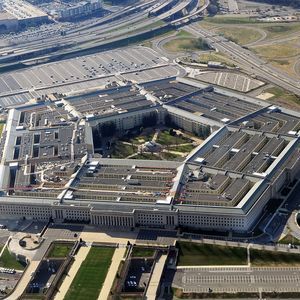
In response to requests since last week made by USA TODAY,
five of six federal agencies that operate labs on Thursday
voluntarily provided at least some information about select
agent incidents that had occurred in their own labs during
2015. However the
In contrast, the CDC, USDA and the
CDC labs in Atlanta reported seven incidents that included a dropped frozen tube of avian influenza, inventory discrepancies with vials of influenza viruses and a worker’s air-purifying respirator that stopped working. The answers provided to USA TODAY by CDC’s lab operations division disclosed that the two workers who showed possible signs of Q Fever exposure were at a CDC lab, even though the lab wasn’t disclosed in the new federal report, which was prepared by a different regulatory division at the agency.
NIH labs in various parts of the country had six reported select agent incidents in 2015. Among them: At the NIH Integrated Research Facility at Fort Detrick, Md., a worker’s spacesuit-like protective gear sustained damage to a tip of a glove while handling food and water bottles in a room where primates were infected with Ebola. The worker’s inner glove remained intact.
At the same NIH facility, there were two additional incidents involving potential employee exposures to untreated wastewater from labs working with Ebola and Nipah viruses. Multiple employees were put on fever watches in the two incidents. “No employee illness occurred,” the synopsis said about one of the two waste water incidents. In the other incident, a leaky valve dripped waste water onto an employee’s head. “The affected employee, and all personnel responding to the incident, were all placed on a fever watch,” the synopsis said.
NIH officials were unavailable Thursday to provide additional information about the incidents or when they occurred.
The USDA said its labs had eight select agent incidents in 2015, including specimen inventory discrepancies, a small leak in a wastewater treatment facility and a technician who received preventative treatment after having “reddish fluid” seep through the seams of their protective equipment while euthanizing and taking samples from a duck infected with a dangerous strain of avian influenza virus. The fluid was later determined to be negative for the virus, the USDA’s synopsis said.
The Department of Defense said its six research labs that work with select agents have reported 37 incidents since January 1, 2015. Twenty of the incidents involved failures of personal protective equipment used by lab workers, such as holes in gloves or seam tears in suits. Other incidents included a technician who was scratched by an animal, a dropped culture plate and a mechanical failure due to a loss of electrical power, according to a statement issued through an Army spokesperson. No infections resulted from the incidents, the statement said, and actions were taken to prevent recurrence of the incidents.
Read the USA TODAY NETWORK's full "Biolabs in Your Backyard" investigation: biolabs.usatoday.com
Follow investigative reporter Alison Young on Twitter: @alisonannyoung.
(c) Copyright 2016 USA TODAY, a division of Gannett Co. Inc. To subscribe or visit go to: www.usatoday.com